Responding Properly
What To Do During A Panic Attack
Breathing tricks, escaping, checking your pulse, googling symptoms... Most of what we do during a panic attack quietly keeps it alive. So let's talk about what actually helps.

Blog topic
Acceptance in practice. How to respond to anxiety so your nervous system learns it is safe, and what gets in the way.
Browse by topic
Breathing tricks, escaping, checking your pulse, googling symptoms... Most of what we do during a panic attack quietly keeps it alive. So let's talk about what actually helps.
Maybe you know you’re not supposed to fight it, or it’s just nervous energy. You might even know the steps by heart. And then anxiety hits and everything disappears. Here’s why that happens and what to do about it.
“I get it. Just allow it, right? But when I’m actually in it what am I actually supposed to DO?” Here’s the clearest answer I can give you.
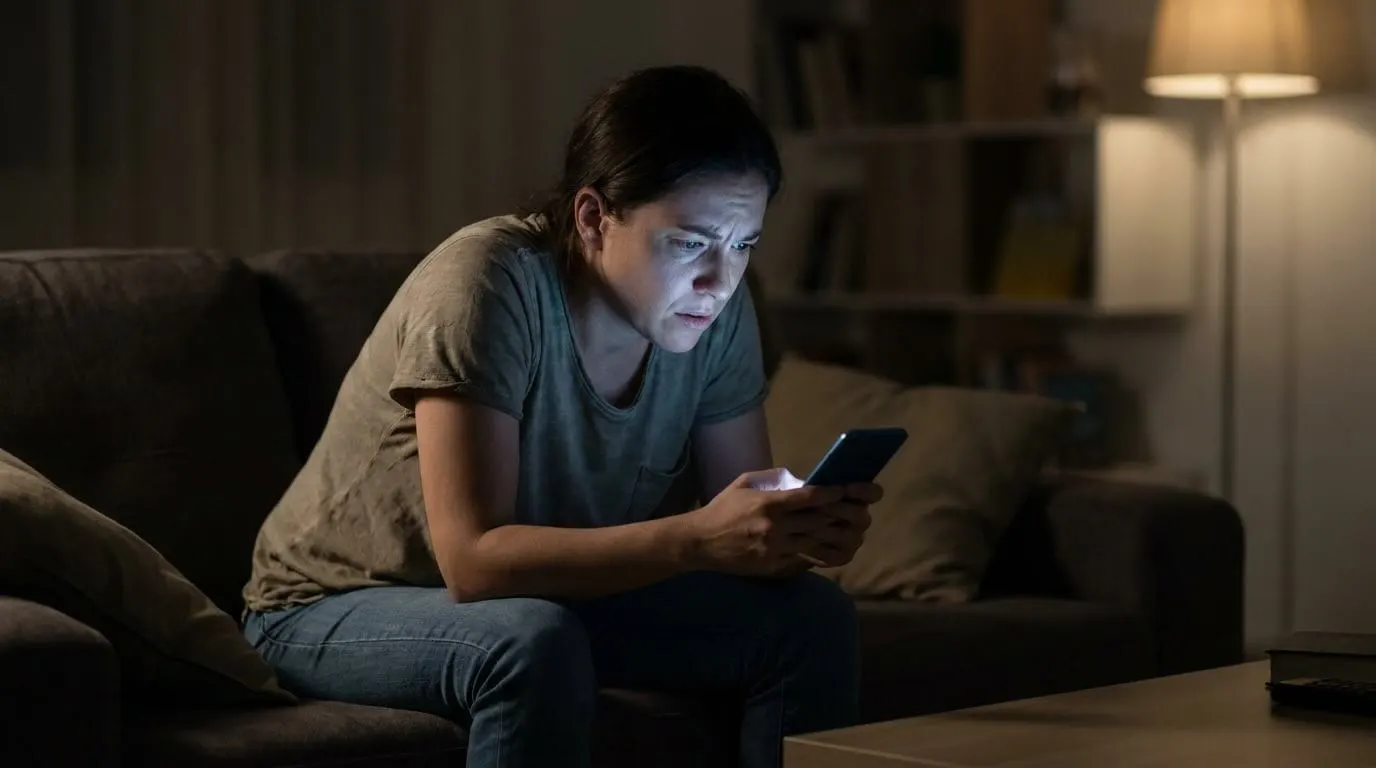
You Google your symptoms at 3am, ask your partner if you’re okay for the fourth time, call the doctor just to hear it’s nothing. And it works. For about ten minutes.
Most people with anxiety have tried CBT. Writing down thoughts, challenging them, replacing them. But the anxiety stays. Here’s exactly why classical CBT doesn’t work, and what actually leads to real recovery.
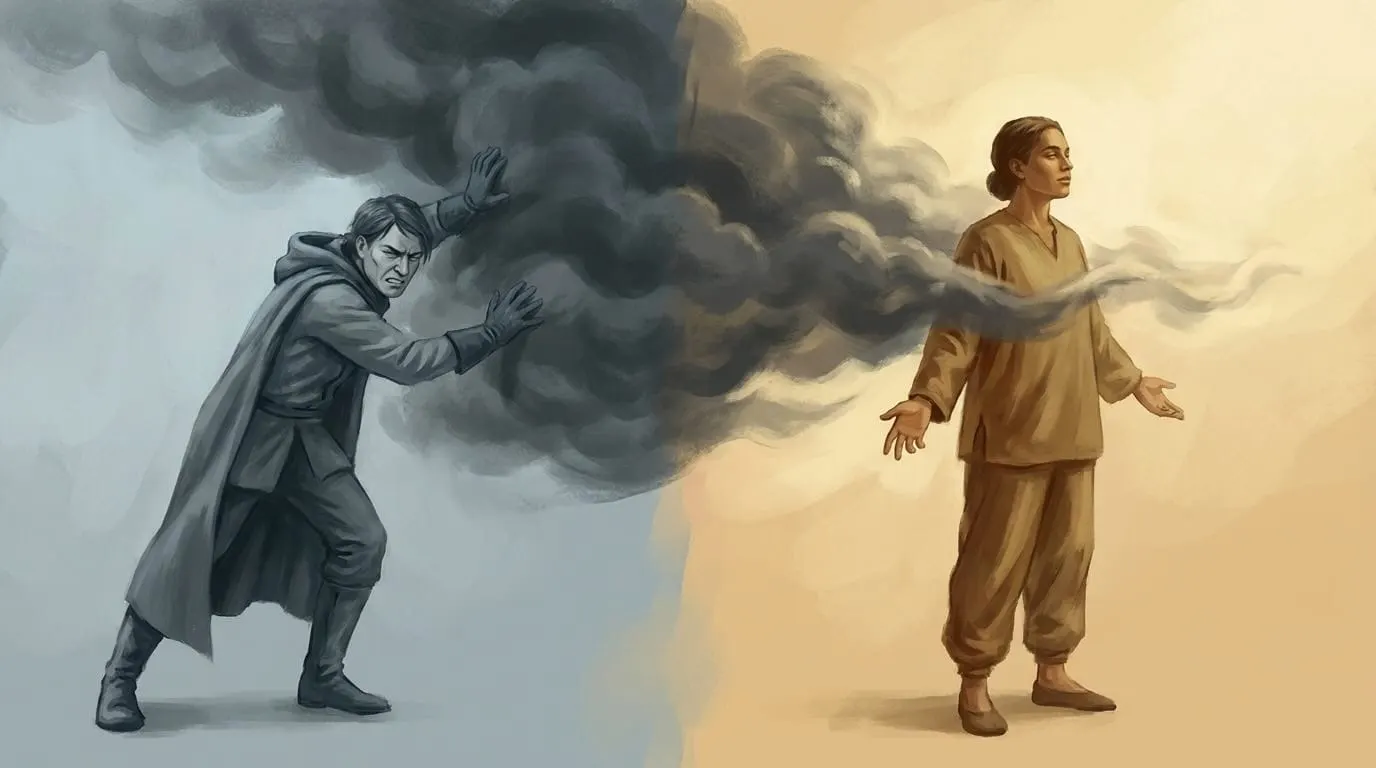
Maybe you’ve heard of “acceptance”. But nobody tells you what that actually means – or how to do it. In this post I’m breaking down exactly how to respond to anxiety that leads to recovery.
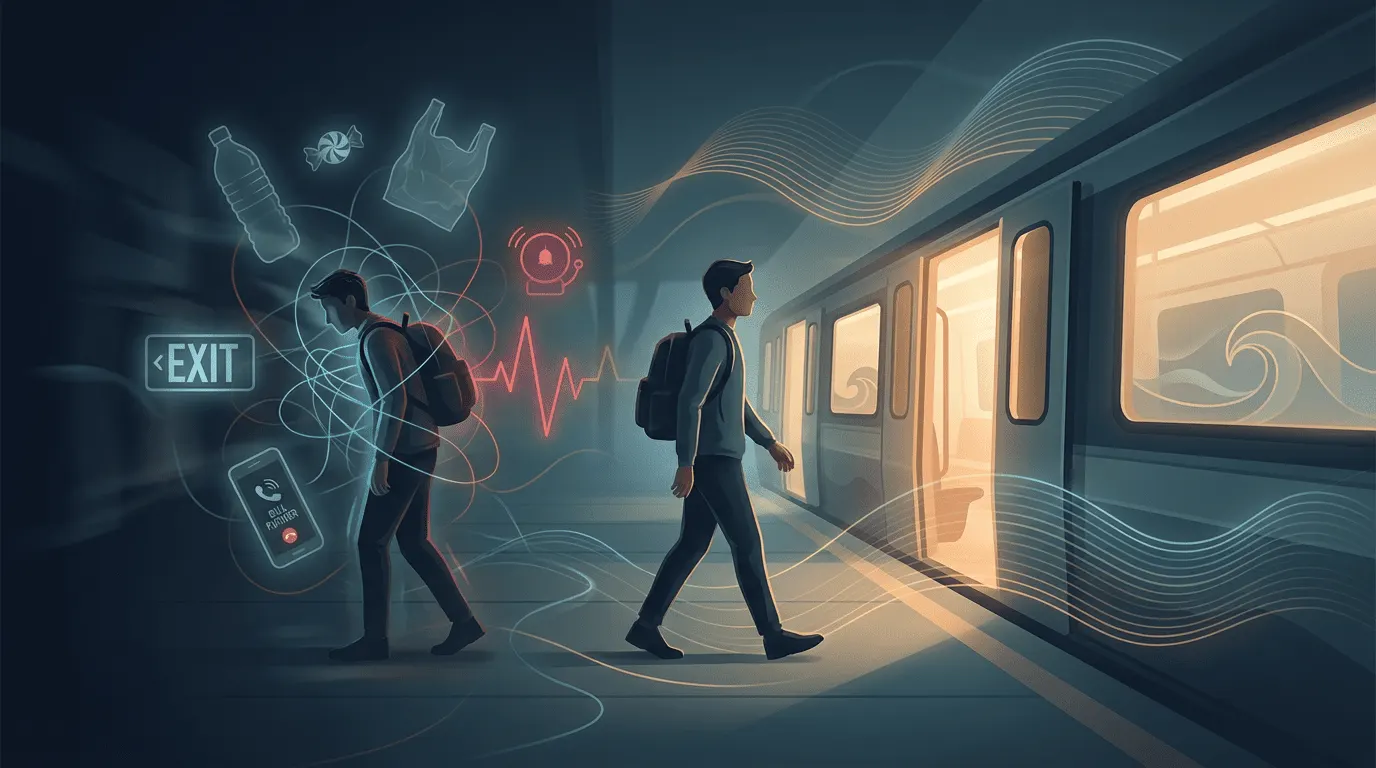
Exposure didn’t work for me, until I learned the missing ingredient. Here’s why “just facing it” can backfire, and the practical shift that turns exposure into real nervous system retraining.
When home feels like the only safe place, your world gets smaller and smaller. So let's talk about why that happens, and how to make it big again.
“Is this anxiety making me feel sick? Or am I actually sick and about to throw up in public?” I spent years asking this question. Turns out it doesn’t actually matter.
You’ve been doing the work. Allowing the discomfort, showing up to the scary situations, practicing the response. And then you wake up still feeling anxious and conclude it’s not working. Here’s why you’re measuring the wrong thing.
If you’ve ever said ‘I have anxiety,’ you may have accidentally made recovery harder. Here’s how the story you tell about yourself keeps anxiety in place and what to shift to start moving forward.