
In this article
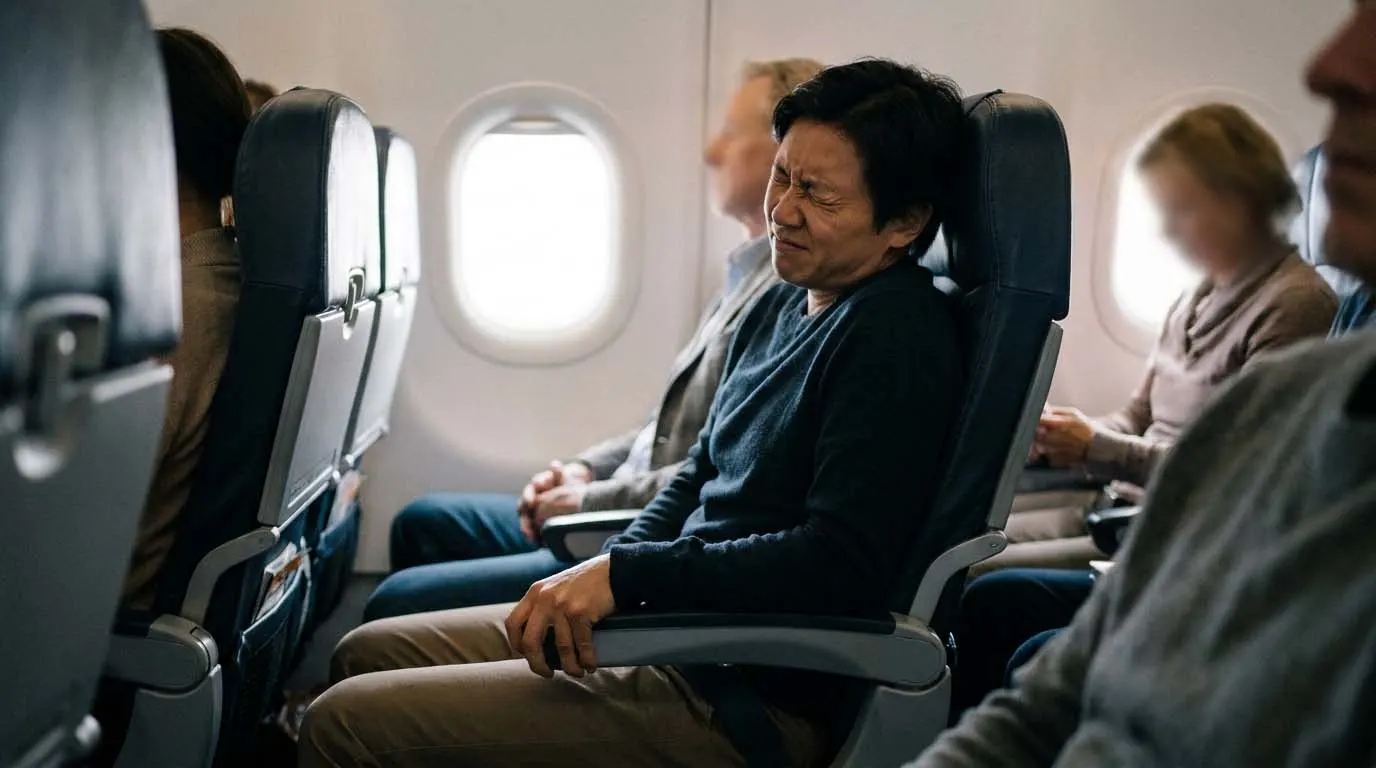
The plane doors close.
The meeting starts, and you're the one presenting.
The dentist tilts your chair back.
The traffic on the highway grinds to a halt.
And then the thought hits: "What if I panic... and I can't get out?"
I know that one really well.
For me it was the train. I'd sit there thinking: "If I get sick, I need to get off, so I don't throw up in front of all these people."
But I couldn't. The doors were closed, and I was stuck there until the next stop.
And that's exactly when the panic would really kick in.
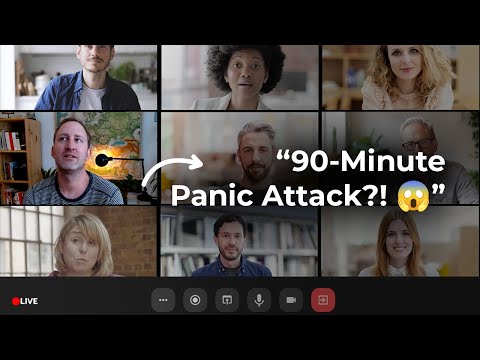
Noel, one of our graduates, had his own version of this. He works in the travel industry, and part of his job is presenting to large audiences.
One day, while he was presenting on a work call, he had his first overwhelming panic attack.
It went on for nearly 90 minutes, he said!
But he didn't drop off the call. He kept going and delivered the whole thing, and afterwards people told him how good he was at this.
He goes: "You have no idea what was actually happening behind the scenes."
So if you've ever asked yourself "what if I panic and can't leave?", whether it's on a plane, in a meeting, in the hairdresser's chair or in a traffic jam, I want to explain what's actually going on.
Because once you understand why that urge to escape feels so strong, you can start to break the pattern that keeps the fear of being trapped alive.
So let's dive in.
It's Not the Plane, and It's Not the Meeting
This is the part most people miss.
You're not actually afraid of the plane. Or the meeting, the dentist, the train or the highway.
You're afraid of panicking in that situation.
And more specifically: of panicking in a place where the one solution you've learned, getting out of there, isn't possible.
Or where it would mean making a whole "scene".
Walking out of the meeting in the middle of your presentation, getting off the train between stations, knocking on the cockpit door and asking the pilot to turn around.
Getting up from your seat to leave in the middle of the Wedding Ceremony.
Panicking on a plane isn't any different from panicking at home. Your body does exactly the same thing in both places. The only difference is the story: "But now... I can't leave!!"
And that story is what turns a plane, a meeting or a traffic jam into something terrifying.
Why the Urge to Escape Is So Strong
When your brain believes you're in danger, your stress response kicks in. Your body floods itself with adrenaline to get you ready to deal with that danger.
Your heart races, your breathing speeds up, your muscles tense, you might feel dizzy, hot or sick to your stomach.
This is what we call fight or flight. And in a situation where you can't really fight anything, there's only one option left that makes sense to your body: flight.
Get out. Now!
That's why the urge to escape can feel so overwhelming. It's not a sign that something is wrong with you, or that something bad is about to happen.
It's your alarm system doing exactly what it was built to do. Just at the wrong moment, because there's no actual danger there.
Why Escaping Feels Like It Works
So let's say you do escape. You walk out of the meeting, you get off the train, you pull over on the side of the road.
And you feel relief. Often almost instantly.
So your brain concludes: "Phew. Leaving saved me. Good thing we got out of there."
But what you never get to learn is that you would have gotten that same relief if you had stayed.
Because a panic attack can't last. It's a rush of adrenaline, and your body simply can't keep producing adrenaline forever.
On top of that, adrenaline burns off much faster than cortisol, the slower stress hormone. So the peak of the panic always passes, whether you leave or not.
The panic always ends. Leaving just takes the credit for it.
Now, you might be thinking: "But Noel's panic attack lasted 90 minutes!"
And it can absolutely feel that way. But what usually happens is that one wave of adrenaline burns off, and the fear of what's happening sets off the next one.
"What if it gets worse? What if they notice? I can't leave!"
Wave after wave, for as long as we keep fighting it and worrying about it.
This video explains the difference between a short panic attack and anxiety that seems to last for hours:

How Escaping Keeps the Panic Coming Back
Every time we fight the panic or escape from it, we teach our nervous system the wrong message: "See? That was dangerous. Good thing we got out."
And that message keeps it in a hypervigilant state. Always on the lookout, always ready to sound the alarm.
So you keep having panic attacks. You keep worrying about the next one. You start checking where the exits are before you even sit down.
And slowly, it starts showing up in new places. First it was the plane. Then the meeting. Then the supermarket line, the car, the hairdresser's chair...
Until some people end up staying home altogether, because home is the only place that still feels safe.
And even there, they still can't escape the panic. (I wrote all about that in how to overcome agoraphobia.)
That's the cruel part of it.
Escaping was supposed to protect you, but it's exactly what keeps the fear alive.
What to Do Instead When You Feel Trapped
So how do you get out of this pattern, without forcing yourself onto a plane and white-knuckling it until you land?
1. Understand what panic really is
It starts with educating yourself on what panic and anxiety really are. Because as long as part of you believes the alarm, you'll keep doing what it tells you to do.
Once you know that it's adrenaline, that it's a false alarm and that it can't hurt you, the urge to escape starts to lose its power.
(If you want to know what each sensation actually is, read what's actually happening during a panic attack.)
2. Remind yourself in the moment
When it shows up, tell yourself what's actually going on:
"This is a rush of energy, because my body believes I'm in danger. That's why I feel this intense urge to escape. But I never need to, because it's a false alarm, and it will pass on its own."
You don't have to like it. You don't have to feel calm. You just have to stop treating it as an emergency.
3. Take baby steps
You don't have to sit through a whole flight tomorrow.
Start small. The next time you feel the urge to leave, try to stay with the panic for just a little while longer before you go. One more minute. Then maybe five.
Try to ride that wave out, and let it do its thing. Don't fight it, don't distract yourself from it, and don't reach for a calming trick either. (More on that in why breathing exercises can make your anxiety worse.)
And if you do end up leaving, that's okay. You stayed a little longer than last time, and that counts.
Because that's how you and your brain learn that YOU can handle it yourself, even without leaving.
You Don't Need the Exit
Tim, one of the participants in our program, shared on a group call how he woke up one morning dreading an in-person meeting. Over an hour of being "stuck, where I can't escape", all dressed up and having to talk business.
He decided to take the anxiety with him and do it anyways. And the meeting went great. He barely had any anxiety at all.
And remember Noel? These days he gets on his calls and presents again.
No magic medication, no special breathing. He just learned to let it happen, and to tell his anxiety it was welcome to come along.
And that behavior allowed his nervous system to fully regulate again, so anxiety stopped showing up in meetings (or anywhere else for that matter) at all.
So the next time you're on that plane, in that meeting or stuck in that traffic jam and the thought shows up, "What if I panic and can't leave?", remember this:
The exit was never what kept you safe. It's a false alarm, it always passes, and you can handle it right where you are.
Thank you for reading and good luck!
-Jort
P.S. If you'd like support with this, you can book a free discovery call with my team. Everything about the call is explained here.
This article is for education and is based on lived experience. It is not medical advice and does not replace a doctor or therapist. If you have new or changing symptoms, get them checked by a doctor. If you are in crisis, contact your local emergency number.