
In this article
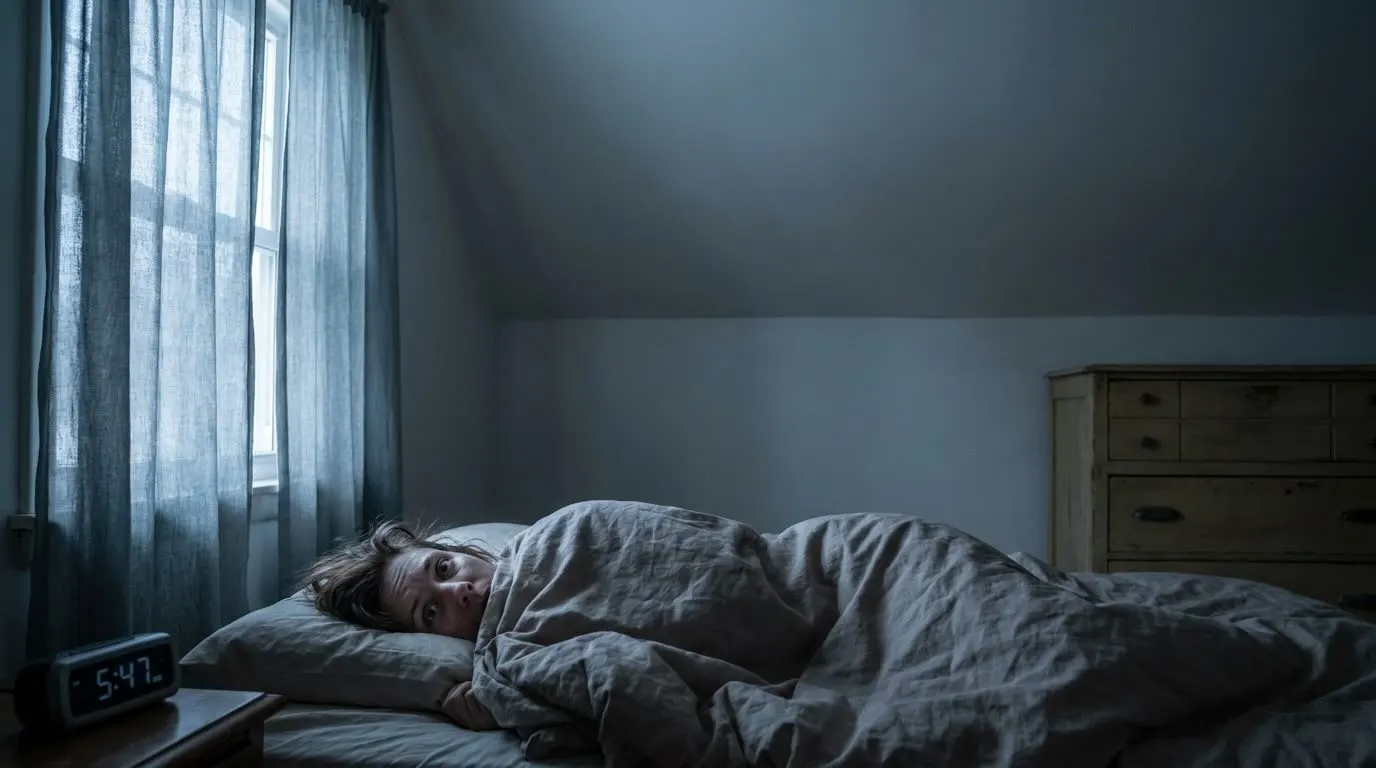
You open your eyes.
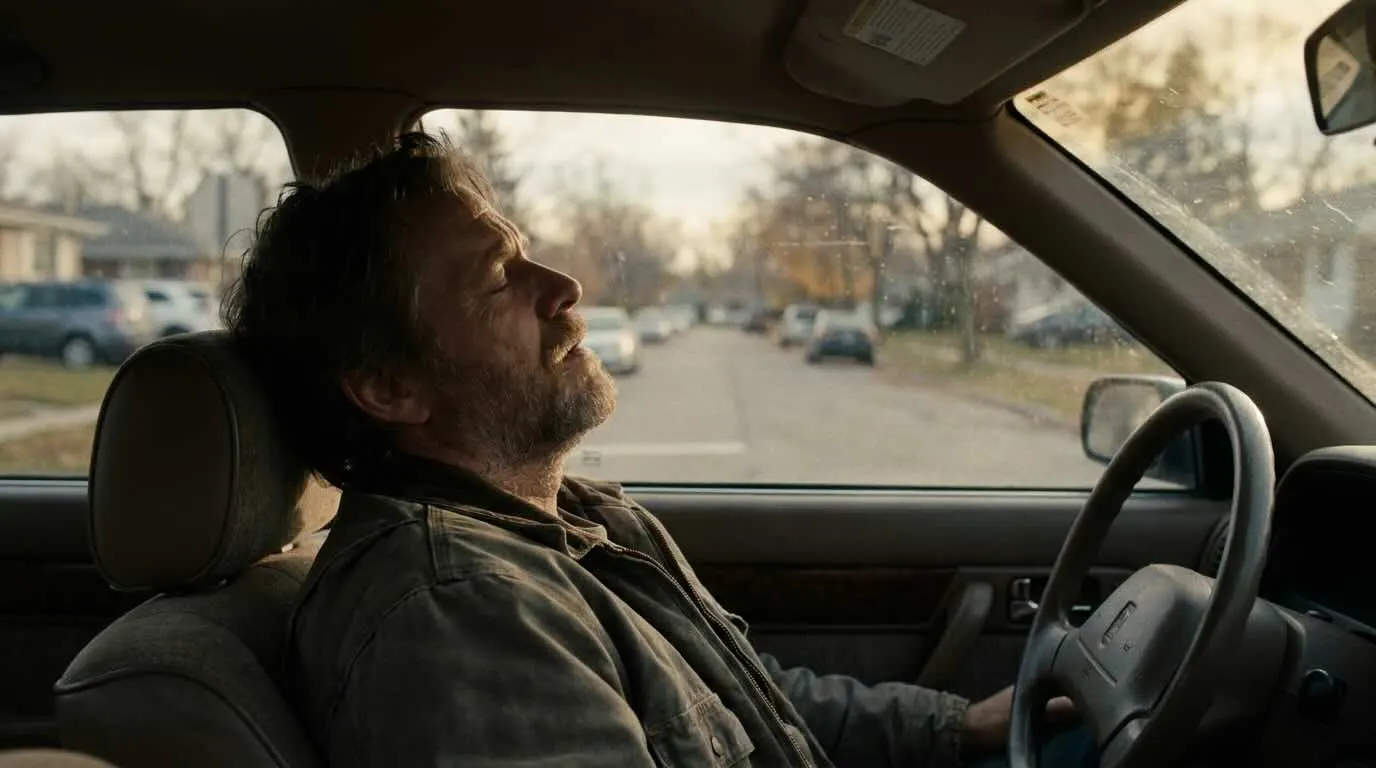
And before a single thought comes in, before you’ve checked your phone or remembered what day it is, the anxiety is already there.
Sitting on your chest.
Racing through your heart.
Sometimes so strong it wakes you up at 3am in a full panic, heart pounding, no idea what just happened.
You didn’t think of anything scary. You weren’t having a nightmare. You were just asleep. And yet here it is.
If this sounds familiar, I want to explain what’s actually going on. Because there’s a biological reason for it that most people never hear, and once you understand it, those mornings start to feel a lot less frightening and a lot more manageable.
So let’s talk a little about that today.
The First Thing You Do Every Morning
Before we get to the biology, I want to name something that I think almost everyone reading this will recognize.
The moment you open your eyes, you do a check.
How do I feel? Is the anxiety there? What kind of day is today going to be?
It happens fast, often before you’re even fully awake. It’s become the first thing your brain does in the morning, automatically, like a habit. And in a way, that’s exactly what it is.
A habit. Not a character flaw.
Not proof that you’re doing something wrong. Just a pattern your brain picked up over time, where checking in on anxiety became the default first move of every single day.
And here’s the thing about that scan. It is already resistance.
And resistance fuels anxiety.
The moment you check in on anxiety, you’ve made it the first thing on the agenda. You’ve signaled to your nervous system that this is something important and worth monitoring.
And your nervous system takes notes on your behavior, right?
So if you behave as if anxiety needs to be checked on the second you wake up, your nervous system concludes that anxiety is worth keeping an eye on. Which means it stays on alert.
The good news is that because this is a habit, it can be changed. You don’t do that by beating yourself up every time you catch yourself scanning.
You catch it, correct your response, and redirect your focus elswhere.
Every single time you notice the scan starting and choose to carry on with your morning anyway, you’re building a different habit. And those repetitions add up over time.
The Biology
Now let me explain what’s actually happening in your body, because this is one of those things that genuinely helps when you understand it.
Cortisol is the hormone your body uses to move you through the different stages of sleep during the night.
It fluctuates in natural waves as you cycle between light sleep, deep sleep, and so on. And here’s the important part: there’s a significant cortisol spike for everyone in the first 45 minutes after waking up. Every single person, whether they have anxiety or not.
So why does it only feel like this for people in the anxiety cycle, for people with anxiety?
When your nervous system is sensitized, two things are true.
Your cortisol levels during the night run a little higher than normal, because your nervous system is trying to keep you on alert for potential danger.
And your threshold for reacting to cortisol is lower. So the same natural spike that someone without anxiety barely notices is enough to wake you up already feeling on edge, heart going, that wave of dread already present.
It is not random. It is not permanent. It is biology meeting a nervous system that has become overreactive.
And I’ve actually made a full video specifically on this where I draw out the cortisol diagram and explain exactly why this happens, including why you sometimes wake up at 3am in a full panic. Check that out if you’d like to go deeper into the biology.

The Pressure Trap
This is what makes sleep worse for most people with anxiety.
Once you’ve had a few bad mornings, or a few nights of waking up in panic, sleep itself starts to become a source of pressure.
“I have to sleep well or tomorrow is going to be terrible.”
“If I wake up in the middle of the night again, I can’t cope.”
“I need to get my 8 hours or I will feel anxious”
And the moment sleep becomes something you have to get right, something your brain needs to control or nail, your nervous system treats it as a threat.
Cortisol rises in response to that pressure, because your brain thinks it needs to help you with something dangerous. And cortisol is exactly the wrong chemical for sleep. It preps you for action, not rest.
So you can’t fall asleep. Or you keep waking up. You put more pressure on it. The cycle grows.
Some people start Googling everything about sleep, or thinking about sleep all day. Dreading going to bed at all.
But sleep is a result. It’s not an action you can perform by trying harder. The more you push for it, the more it slips away. Like trying to force yourself to relax. It doesn’t work that way.
Alisha’s Story
One of our newer members, Alisha, started waking up in full panic. Heart racing, nauseous, completely disoriented. And it was terrifying the first time it happened. The second time it happened, her brain started doing what anxious brains do: “what if it happens again tonight?”
So she’d go to bed already dreading it. Already braced. Already monitoring herself for the first signs that it was coming. Which meant her nervous system was on high alert at exactly the moment it needed to be winding down.
The anticipation of the panic was creating more of the conditions for it to happen.
It’s a brutal loop. And it’s incredibly common. But it’s also the same loop that keeps all anxiety going, just with sleep as the backdrop.
Jackie’s Story
Jackie, at her worst, was getting maybe two hours of sleep on a good night. She’d wake up in the night, lie there trying to figure out what was wrong, adding more stress and pressure onto an already sensitized system.
As she started learning to respond differently to the waking moments, stopping the scan, stopping the fight, allowing the cortisol wave to be there without treating it as a crisis, something started to shift.
She moved from two hours to six or seven hours of sleep. And more importantly, she stopped caring so much about whether she got it or not.
And that’s the thing. The less you care about sleep, the more you get.
Not because caring less is some magical trick, but because the caring itself was adding fuel to the problem. When sleep stopped being a threat that needed managing, her nervous system stopped treating it like one.
What To Do
Two practical things.
First, expect it. Knowing that your mornings are going to feel harder biologically takes away some of the shock. And the shock is part of what turns the cortisol wave into a full panic spiral.
When you wake up already feeling on edge and you go “what is wrong with me, why is this happening, this is terrible,” you add a layer of resistance on top of a perfectly natural biological process.
When you wake up and go “right, this is the cortisol spike, it happens every morning, my threshold is just a bit low right now,” you take away a lot of the fuel.
You can’t stop the spike. But you can stop catastrophizing about it.
Second, catch the morning scan. When you notice yourself doing the check-in, the “how do I feel today, is the anxiety there” assessment before you’ve even gotten out of bed, catch it.
Don’t beat yourself up about it. Just notice it, correct your response, and redirect. Get up.
Make your coffee. Start the day. Let the cortisol wave be there while you do normal morning things, and carry on regardless.
That’s not white-knuckling. It’s allowing. And the more you practice that, the more your nervous system learns that mornings are not an emergency, and slowly, the threshold rises.
The Timeline
Recovery doesn’t make the cortisol fluctuations stop. They happen for everyone, they’ll always happen, and they’re supposed to. What changes is your threshold for reacting to them.
As your nervous system desensitizes over time, through consistently responding properly rather than fighting or scanning or adding pressure, the waves that currently wake you up stop doing that.
The spike that currently sends you into a spiral just becomes a slightly higher-energy start to the morning.
It takes time. It takes the same consistent practice that everything else in recovery takes. But the direction is set the moment you start responding differently.
You’re not broken. Your nervous system is just running a bit hot right now. And hot nervous systems cool down when you stop adding fuel.
This article is for education and is based on lived experience. It is not medical advice and does not replace a doctor or therapist. If you have new or changing symptoms, get them checked by a doctor. If you are in crisis, contact your local emergency number.