
He calls himself the Anxious Fisherman.
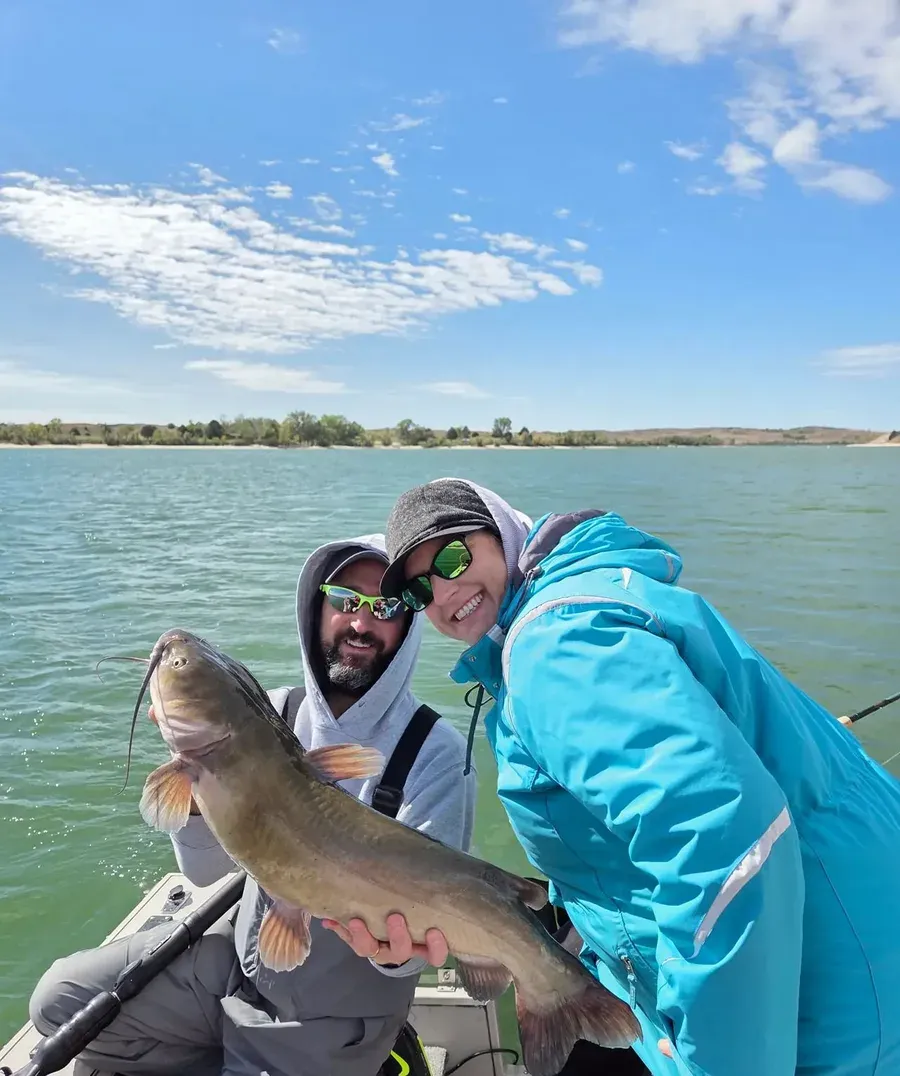
In October, Randy drove two hours and spent the whole day fishing with his family. Long drives and fishing trips were things he had been avoiding. And he did it right after one of the hardest stretches of his recovery.
Then he wrote a post about what that stretch taught him. I found it so insightful that I shared it in our newsletter, and I want to share it here too.
35 Years of Trying Everything
Randy joined our program in July, after 35 years of panic attacks and health anxiety.
"Looking for a permanent solution to these problems as I have tried everything under the sun with no lasting relief."
And in that very first post, he already knew where he was headed: "I know acceptance is my ticket out of this hell."
Going to Work Anyway
Two days in, he woke up with level 10 panic. ("Morning anxiety sucks.") He got up, went to work, and let the panic and the symptoms fade on their own. On an extremely hot, busy day, which used to be a trigger for him too.
"Proud of myself for not avoiding work and putting down the fight to show my nervous system these symptoms don't need to be feared."
A week later, dizziness hit him out of nowhere and set off a big panic attack. He refocused on what he was doing, and the panic and the dizziness faded. "I feel like my brain is starting to lose just a little bit of the fear of panic and physical symptoms."
When Dropping the Fight Feels Like Going Backwards
Then something confusing happened. As he stopped fighting, his symptoms got stronger. And they kept moving around. "Every couple days it's something new or something old coming back."
He asked the community if that was normal. And he answered his own question:
"As I drop safety behaviors and coping techniques it's natural to feel more intensity and new symptoms. I'm not backsliding I'm just feeling more as I drop the fight."
He was spot on. When you stop holding anxiety down, it can feel stronger for a while. That doesn't mean it isn't working.
"Anxiety Is Full of Sh*t"
One morning in August, he woke up in a complete panic again. His lawn needed mowing, and anxiety had something to say about that: too hot, you'll give yourself a heart attack or heat stroke.
"Said not today anxiety, you're coming with me."
He mowed the lawn with the panic raging, focusing outward as best as he could.
"Lawn is mowed and I'm still here. Anxiety is full of sh*t."
The Setback
In week 7, Randy was on a roll. He was responding well and starting to see the light at the end of the tunnel.
Then some unexpected life stress came up, and it knocked him back hard. Old symptoms, new symptoms, intrusive thoughts, low mood. "I feel like I've taken a huge step backward."
And the big question came with it: "Does this sensitivity to stress ever get better? Can we truly heal 100% and handle life stressors again?"
Randy's 5 Lessons From His Setback
A month later, he had come out the other side. With a fishing trip, and with these five lessons for anyone in a rough patch:
1. The more you fight how you feel, the longer you stay stuck. "When all the symptoms new and old came crashing back I went back to some old bad habits. Trying to fight and fix my way out... which just made this setback drag on way longer than it needed to."
2. You learn more in a rough period than in a good stretch. "I learned I'm way stronger than I give myself credit for. I also learned more about self compassion and actually started using it. Made a huge difference and took a ton of pressure off my shoulders."
3. Don't put a timeline on it. "I was putting extra stress on my system to get through this as fast as possible. In reality I was just making this setback drag on way longer than it should have."
4. Don't try to figure out why. "It doesn't matter why. It only matters how we respond to these rough periods."
5. Your progress is not lost. "It honestly felt like I was back at square 1... In reality that was anxiety spewing its lies." And: "You can never unlearn these tools and your progress is still there."
Stronger on the Other Side
He also answered his own question about stress. Yes, his resilience will come back as his nervous system calms down. And now that he sees the patterns that got him here, he's changing them.
"I feel like my recovery has taken a huge leap forward after this setback. I lost a lot of the fear of my symptoms and panic attacks. I have shown myself I can handle it all at its worst."
That's what a setback can do for you, if you let it. "You will come out of your setback and feel bulletproof."
Almost 16 Weeks In
In November, Randy wrote a review about his journey so far. Looking back, this is where he started:
"When I first started the program I was crippled by multiple panic attacks a day, was avoiding my life and was in a very dark place. I honestly thought this was my life forever."
"I truly believed I was broken and would suffer this way for the rest of my life."
And this is where he is now:
"The biggest win so far has been my relationship to my anxiety and panic. It's no longer a catastrophic life changing thing... Definitely don't love my panic or anxiety but I know I'm capable of handling it at any level. I live without that constant fear of looking over my shoulder wondering when the next panic attack will hit. Honestly don't really care."
"If I had to put a number on it probably 85% recovered after 16 weeks of the program. From where I started from that's amazing results."
He's also honest that it took work: "You get out of this program what you put into it. It absolutely requires effort and consistency on your part. It also requires you to feel uncomfortable and to face the anxiety head on. But if you do this you absolutely will see amazing results."
What You Can Take From Randy's Story
- Feeling worse doesn't mean you're going backwards. Dropping the fight can make symptoms louder for a while.
- A setback is practice, not failure. Randy used his hardest weeks to get better at responding.
- Get out of the way. "Setbacks always end when we get the hell out of the way."
Thank you for sharing your lessons, Randy. Tight lines!
-Jort
Shared in our newsletter, in his own posts in our community and in his Trustpilot review, July to November 2026. Shared with Randy's permission.
Individual stories reflect personal experiences. Results vary. This page is not medical advice and does not replace a doctor or therapist. If you are in crisis, contact your local emergency number.