
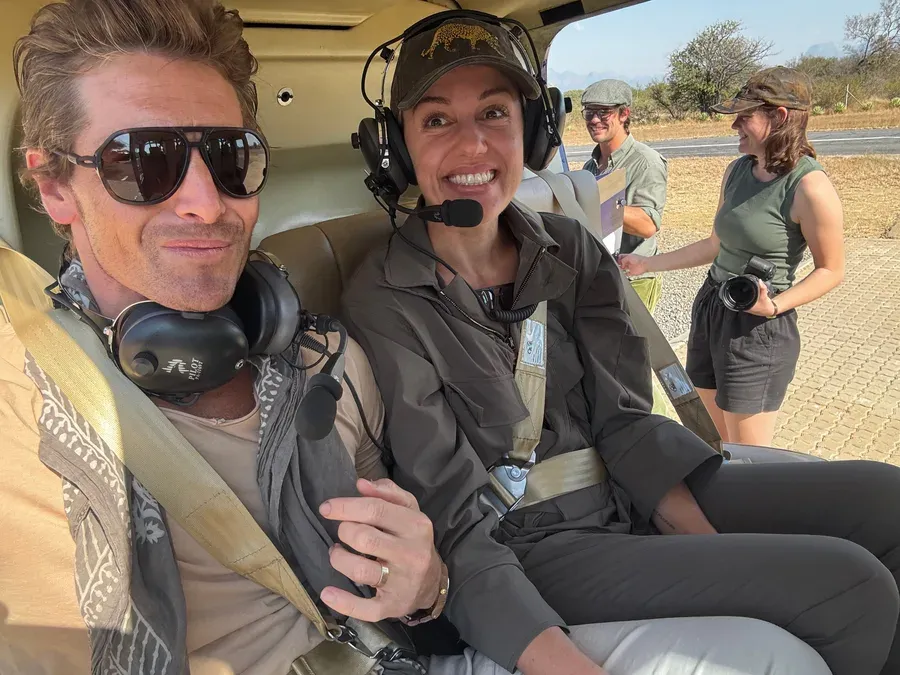
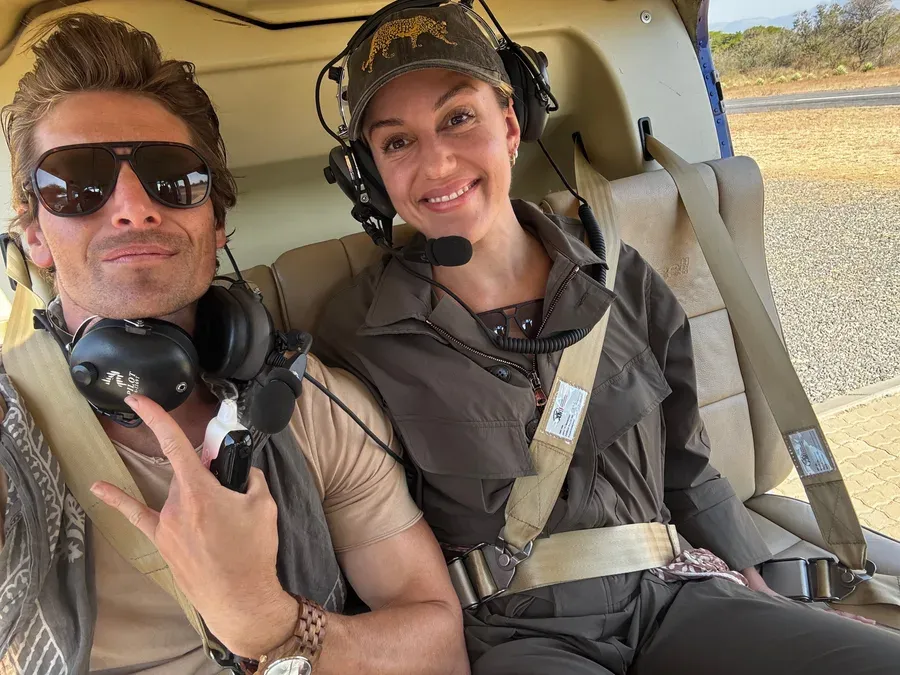
When Mike shared this photo in our community, I couldn't believe it. A helicopter over Africa. With no doors.
Six months before that, he couldn't get on a plane.
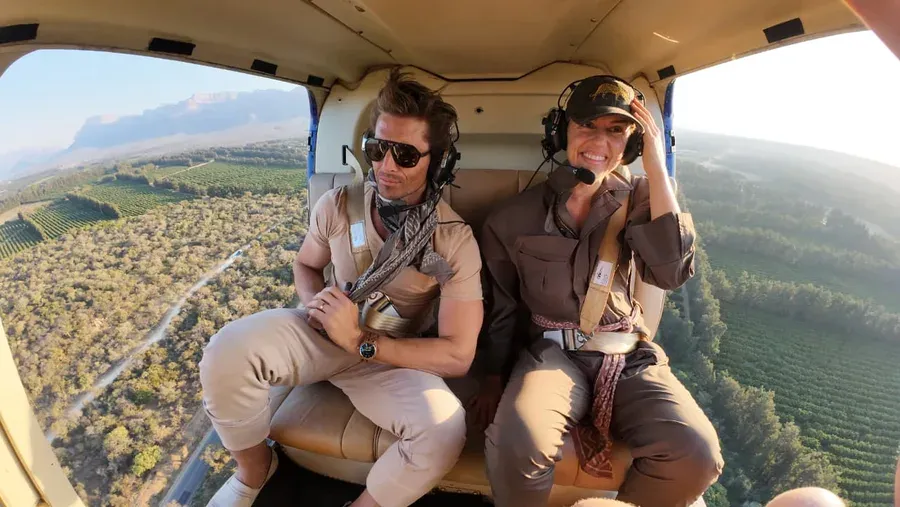
Mike Markoff is a Hollywood actor, based in Los Angeles. Flying is part of the job, and he has been to more than 60 countries. So when panic showed up on a flight, it hit him where it hurt most.
I sat down with Mike to talk about what happened in between. These are the parts that stuck with me most.
A Panic Attack on a Flight
It started with one panic attack on a plane. And then it didn't stop.
"It threw me into the most intense cycle of anxiety, that you hear about, people having rolling panic attacks. It was so scary, not even flying, but somehow even the thought of flying."
And he made an interesting point: "Intellectually, I didn't fear flying. I feared the no escape aspect."
The symptoms kept getting stranger. His throat felt like it was closing up. His chest felt like it was about to burst. And one evening at dinner, he looked across the table at his mother-in-law and her face "somehow derealized itself."
"I'm like, wait, what is all this? Nobody ever told me about this."
The Hockey Movie
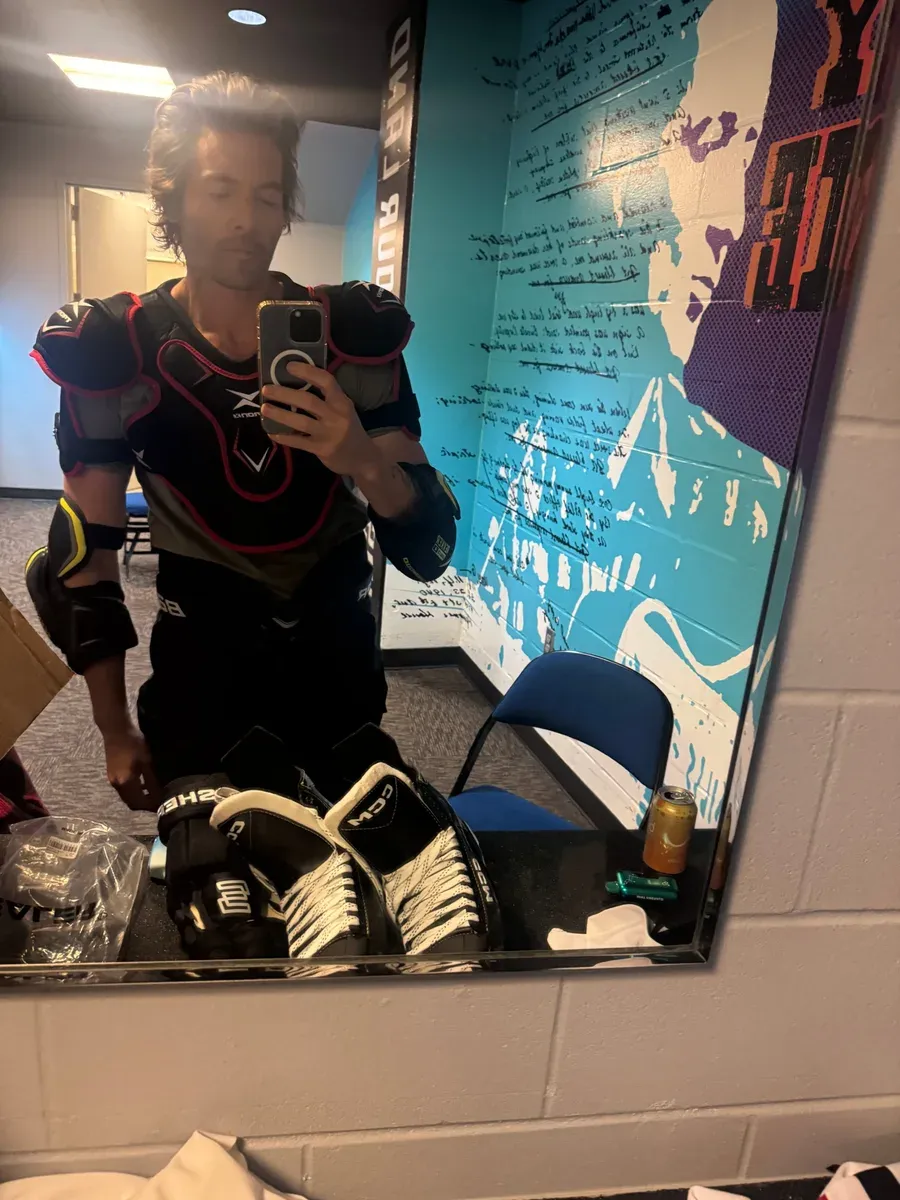
The panic really took over about a week before Mike had to fly to Oklahoma to shoot a hockey movie. He was the lead. "I'm on every single page." He had never played hockey and could barely ice skate.
He was trying to learn his lines and figure out what was happening to him at the same time, with panic attacks every 30 minutes to an hour.
The night before the flight, he broke down in front of his wife. "I need you to come with me. I'm so scared. I don't know if I'll be able to jump on a plane."
She came with him.
On set, they shot overnight on the ice. At five in the morning, in the middle of a take, the world suddenly felt unreal. "It was like someone pressed pause on the world. I'm in the middle of this take, and I'm like, what is happening?"
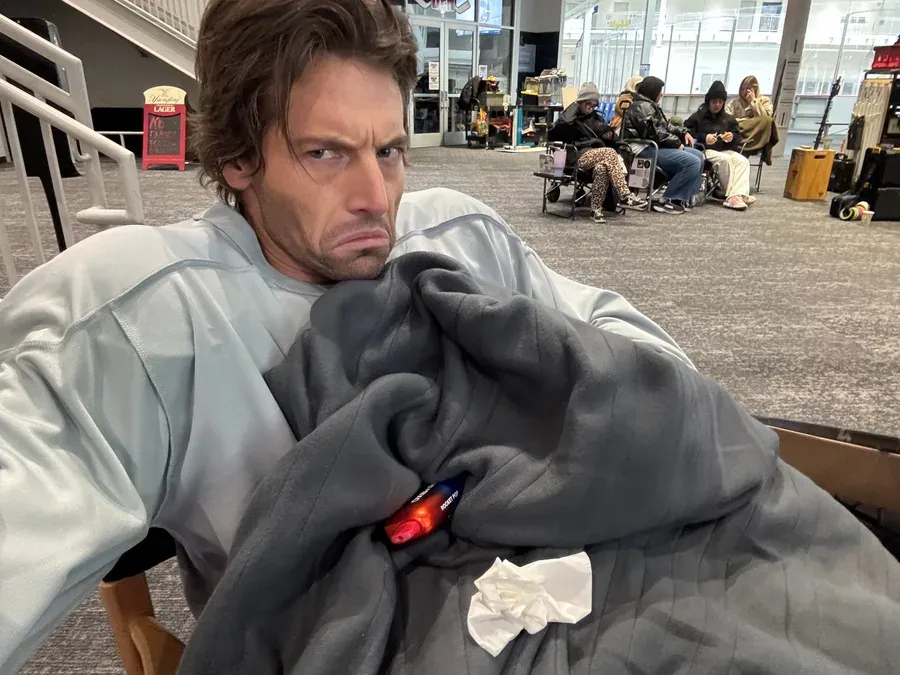
Every flight to and from the shoot was a battle. At one point, to avoid a plane, he rented a car and drove 14 hours to Oklahoma, with his mom on the phone the entire way. When he got there, he ended up calling his wife to come and take him home.
"This was the darkest period I had."
Breathing, Meditation, and Then a Prison Story
Like most of us, Mike started by asking the internet what was wrong with him. And the internet gave him breathing exercises and meditation.
"While meditation and breathing are tools to use later on, it's not a good place to start, I found. Breathing just leads to more monitoring and getting you more in your own head."
Then he came across one of my videos, where I compare anxiety to being locked up in Alcatraz. "For some reason, artistically, the way my mind works, it just made so much sense to me. Stories are the way that I see the world."
He joined our program right after he got back from Oklahoma. On his first group call, he was honest straight away: "Listen, guys. I'm f*cked right now."
"For the first time in my life, I was surrounded by people with the exact issue that I was having."
"That Voice Was Not Me"
For Mike, the biggest tool was understanding what anxiety actually is. That those thoughts were coming from a body that thought he was in danger.
"It's telling me to worry. Have you considered that you're dying? Have you considered that you're having a heart attack? And I realized that voice was not me. It was something that was trying to help me."
"The absolute first step for me in my recovery was the education. Understand what it is, and you are 90% of the way there."
Fake It Till You Make It
But understanding it wasn't enough on its own. Mike is honest about that.
"Intellectually, I understood how to solve anxiety. But intellectually, it sounds nice when you're feeling cool... I kept failing in the beginning."
So he did something I love. He decided to act as if it was working before he felt it working.
"I put blind faith in the process, even though I was terrified out of my mind. And even though the symptoms came on hourly. The so what guided me all the way home."
And as an actor, he had a head start: "My job is literally taking on someone else's circumstances and believing that they're my own."
The first reaction still came. That instant "oh f*ck" response. But Mike learned he didn't need to beat it. "I can't exactly control that so much, but I can control almost directly after. I can catch myself."
That's exactly it. You don't need to get in front of the knee-jerk reaction. You catch yourself after it, and you correct. The more you do that, the weaker that first reaction gets.
"And Then What?"
When his mind came up with a what-if, Mike kept asking "and then what?"
"What if I pass out on this plane? Well, then I'll probably wake up a little while later. What if everybody sees? Well, it'll probably be embarrassing, but I'll get over it. And then the plane's gonna land, and I'll get off, and I'll call my wife and tell her about it."
He took that all the way. "I followed the 'and then' all the way until death, and had to be okay with it. And I somehow was okay with it."
To be clear, you don't need to be OK with dying to recover. But this is what it's about: you stop running with every scenario your brain throws at you, because you realize you can't control it anyway.
A Scuba Movie, Two Weeks Later
Two weeks after Oklahoma, Mike had to start on his next movie. About scuba diving.
"The training, they're talking about your lungs exploding, they're talking about the bends... You know, they say you should do exposure exercises willingly. I'm like, cool, what about unwillingly?"
The movie is called Sharing Air. It was made with Deep Dive, an organization that helps people with disabilities scuba dive, and three real Deep Dive participants were part of the cast.
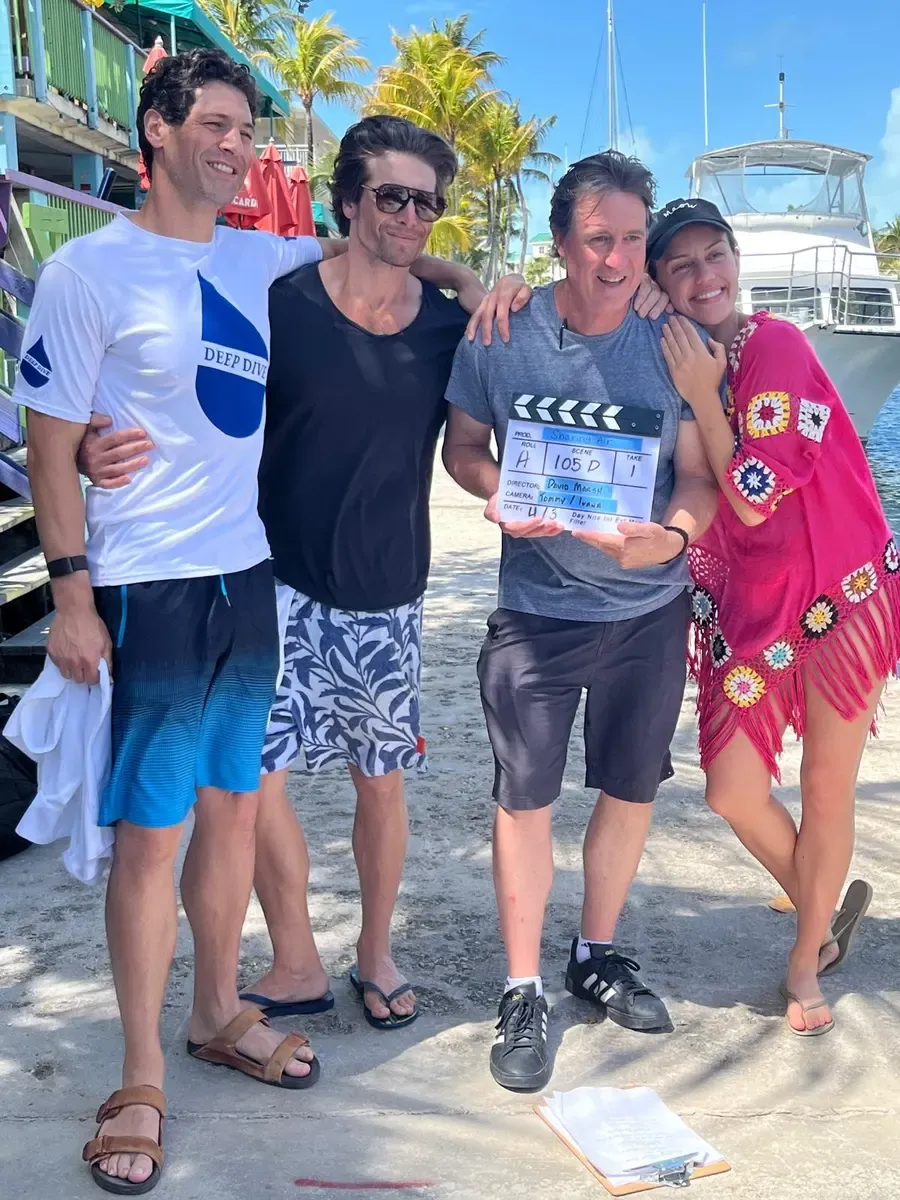
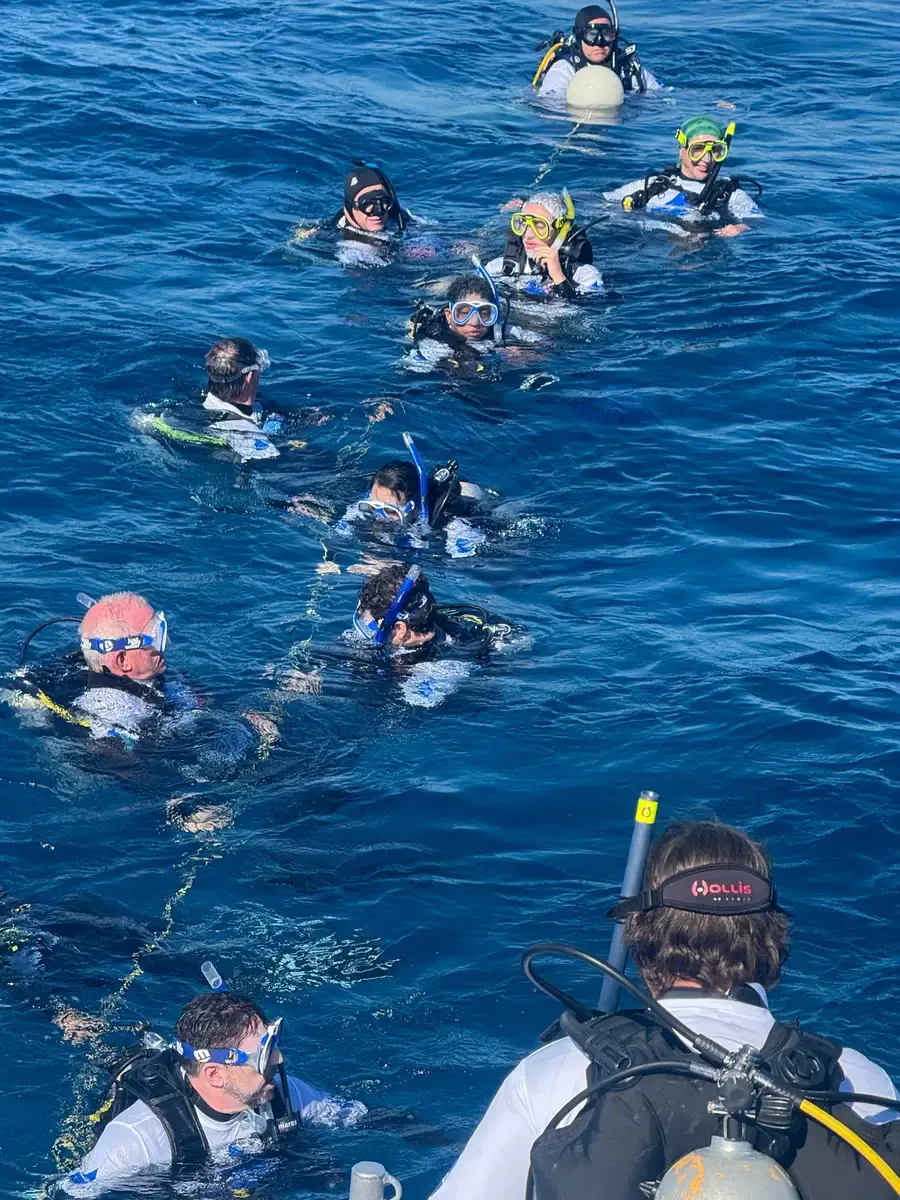
"As I'm cowering in fear on this boat, I see this guy who's paralyzed from the neck down just jump in that water... Their courage was so inspiring at the time that I was doing the program. I saw what true courage looked like."
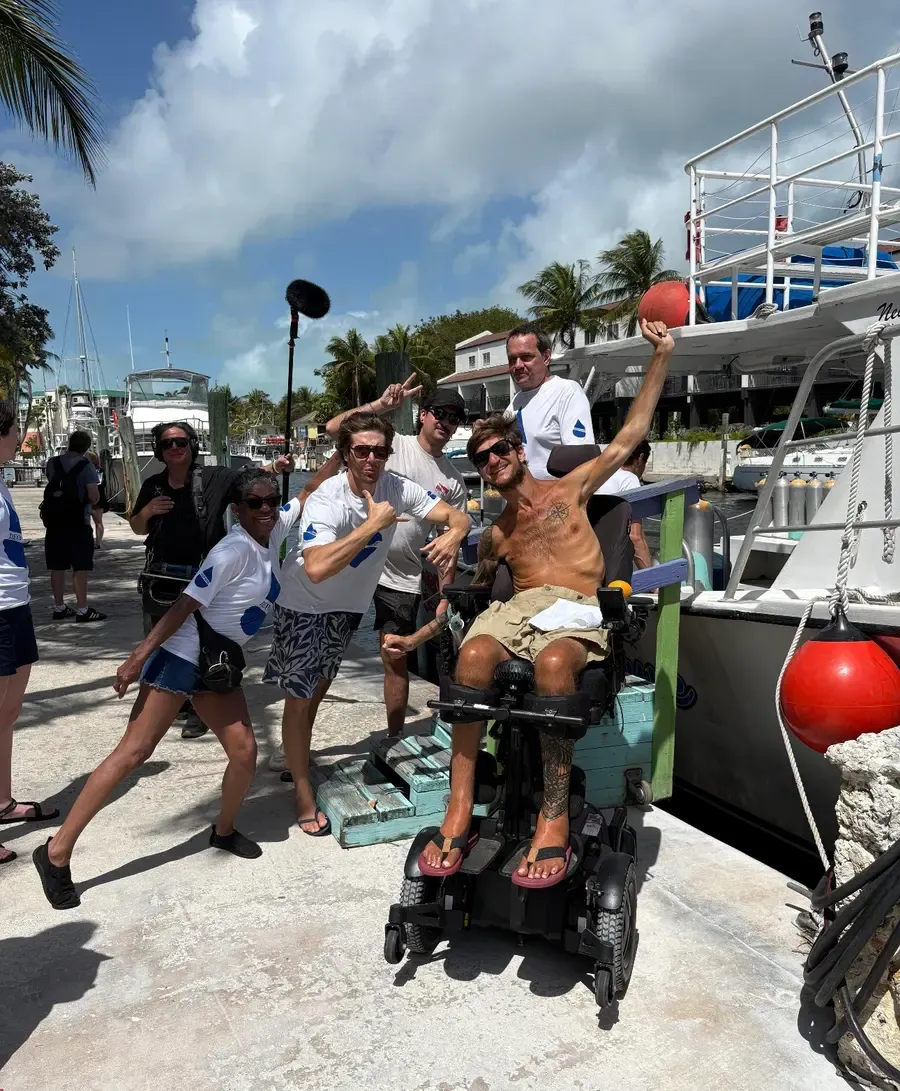
He kept practicing on set, in between takes, watching my videos whenever he could.
The Helicopter With No Doors
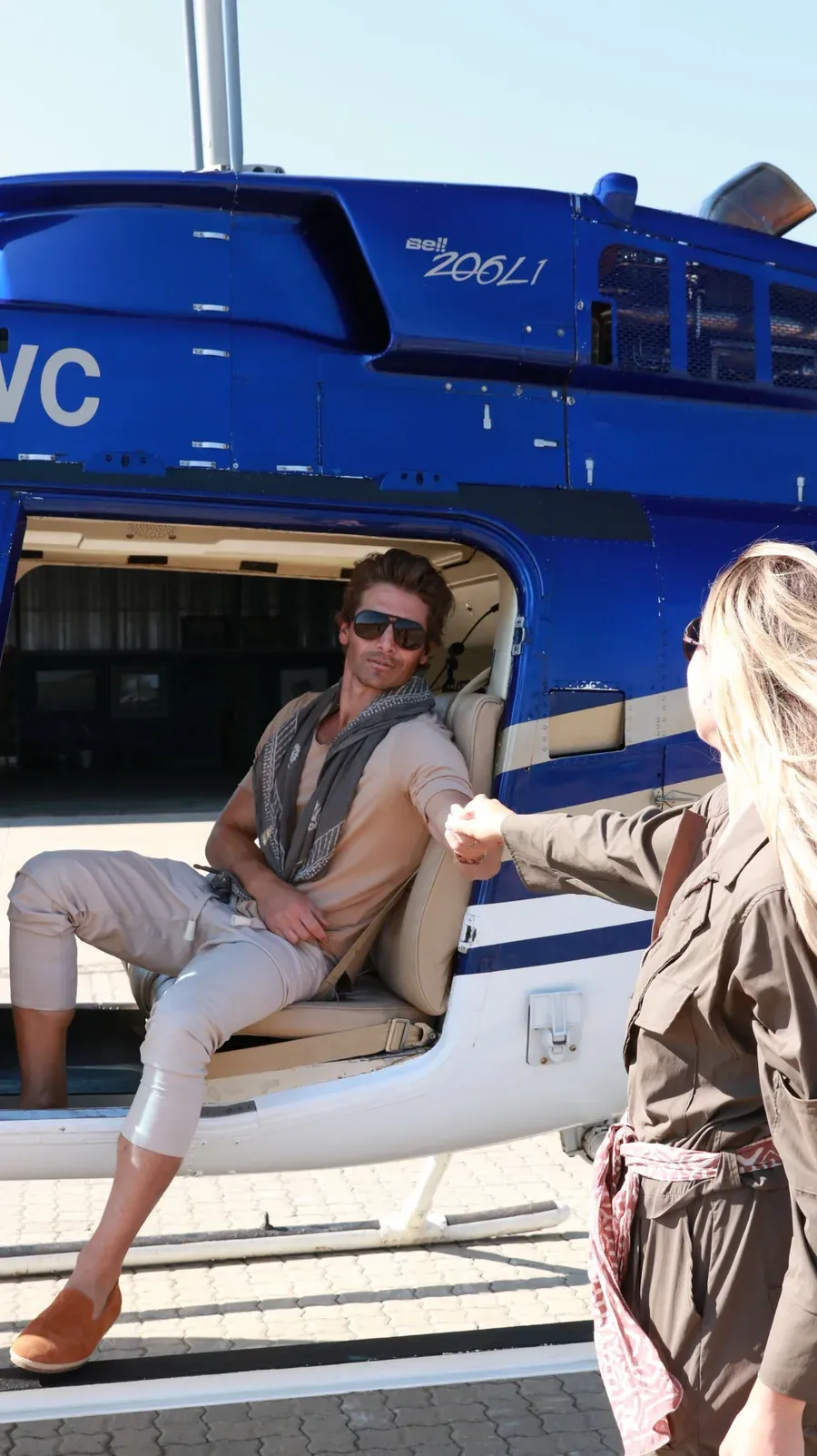
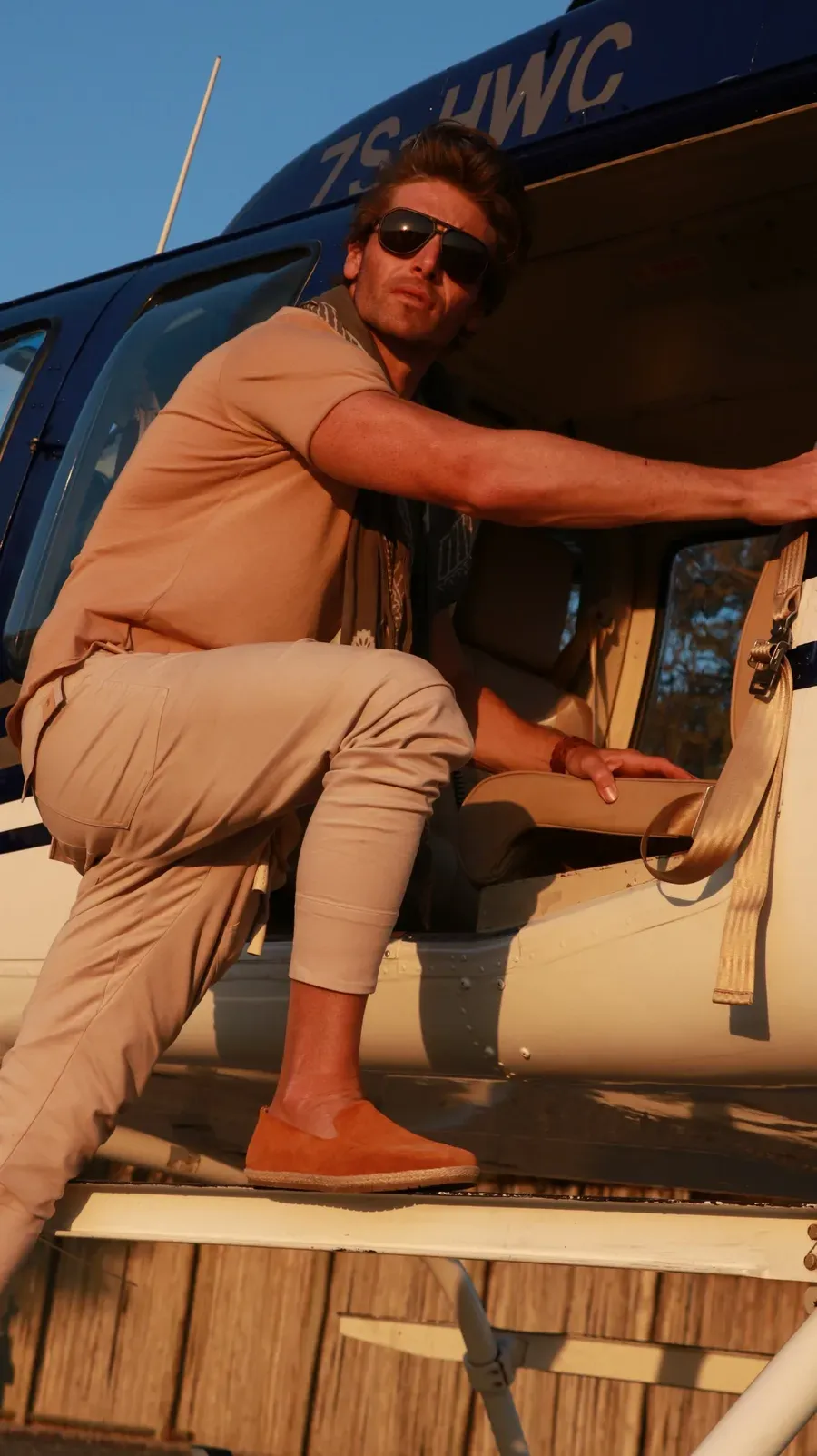
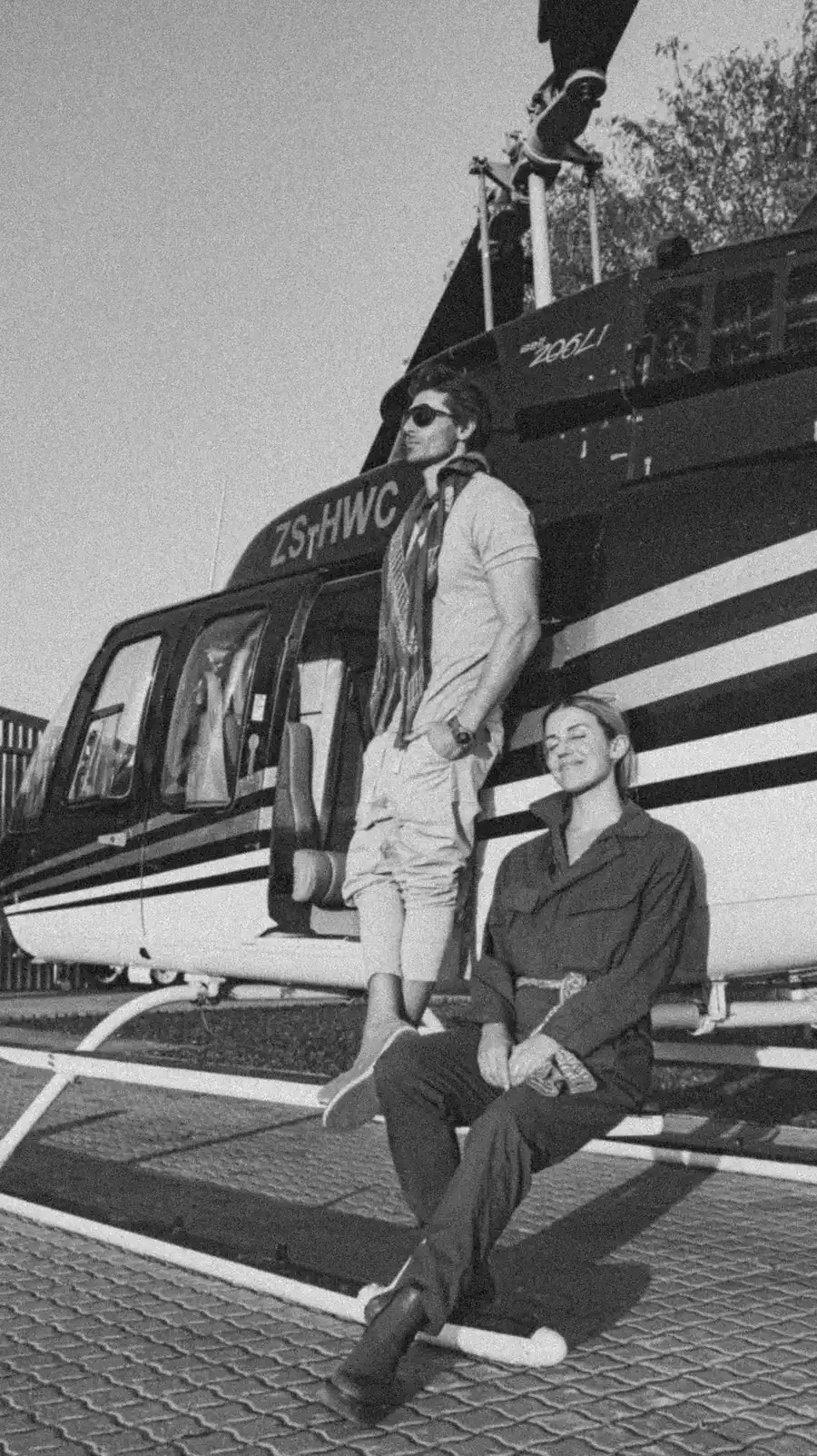
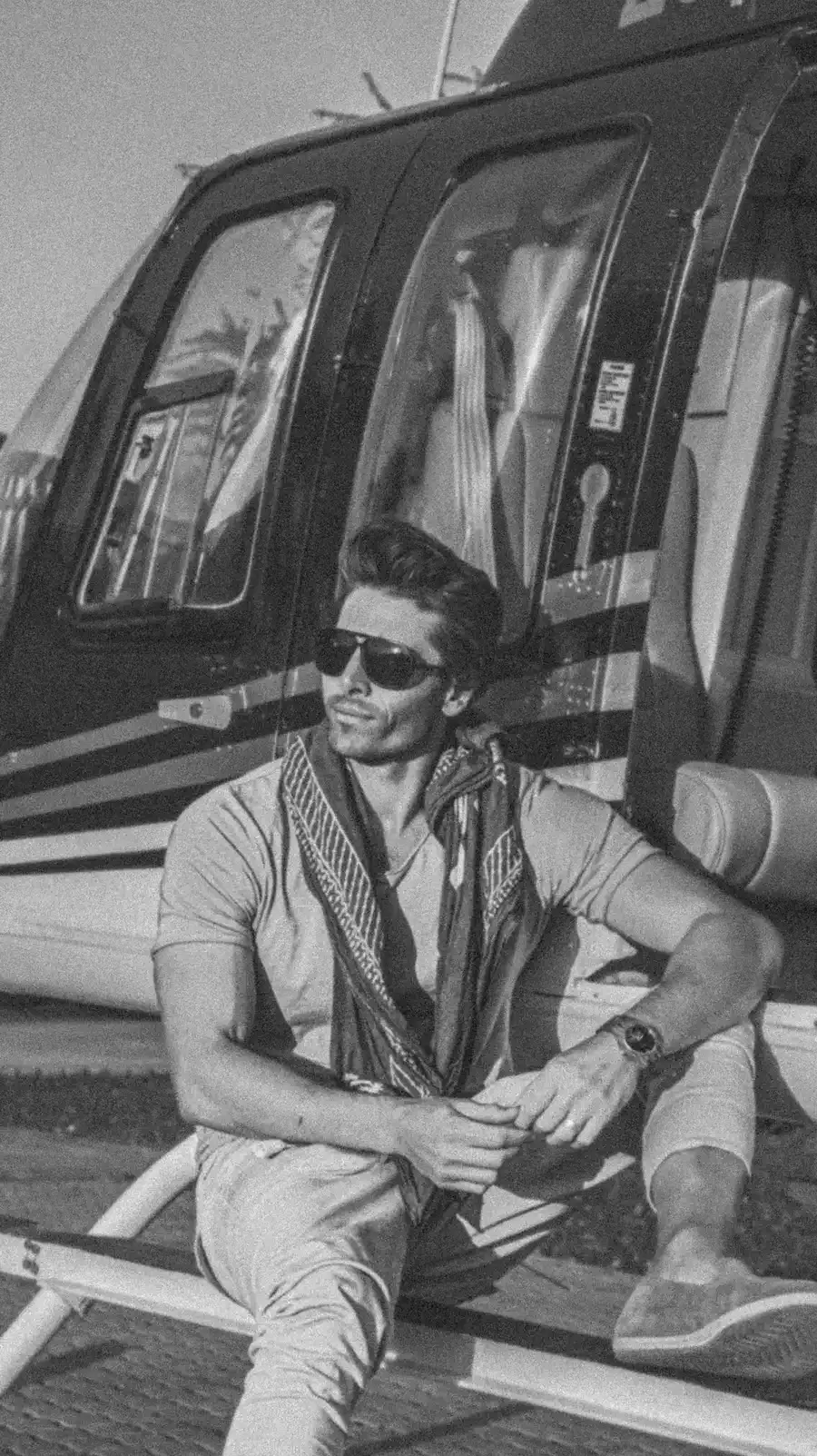
In June, Mike and his wife were in Africa for a documentary about people doing conservation work. To join an anti-poaching unit in a remote valley, they had to fly in by helicopter.
"They didn't tell me there wasn't gonna be any doors."
That was about two months after things clicked for him.
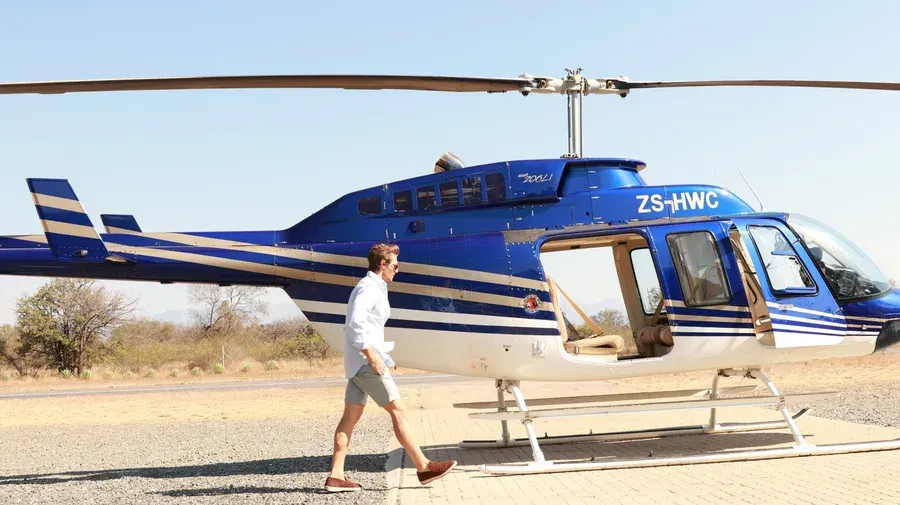
When they lifted off and the ground got further away, his body did what any body would do: a rush of adrenaline. And his answer had become automatic by then. So what.
"It's not that I was scared of dying, nor not scared of dying. It's just that it seemed silly to worry about dying, because that's something I can't control."
And the adrenaline turned into something else. "I recall the shift of adrenaline from fear in the beginning into excitement, to be just kind of natural."
Leaning In
Mike now goes looking for the feelings that used to scare him. Dizziness had been one of his biggest fears his whole life, so for a long time he avoided heavy deadlifts and squats.
Now? "Before I go in for the deadlift, I'm kind of like, let's have a panic attack."
And when a doubt sneaks in, he leans in a little harder on purpose. "What that tells me is that my mind still needs evidence. Positive evidence."
These days anxiety isn't the bad guy for him. It can show up, and he lets it be there. Sometimes it's even a useful sign that he's been pushing too hard and needs to slow down.
What Mike Would Tell You
"I empathize with the amount of terror that you are feeling. It is the scariest, hardest thing you'll ever have to do, and it is completely possible to heal yourself. And I desperately wanted to believe that when somebody was telling me, and I am telling you, believe it."
He also called it "the most utterly terrifying thing I've ever been through, but also the coolest." Because of what it taught him.
"Imagine controlling your response in life. It goes far beyond anxiety."
What You Can Take From Mike's Story
- Start with understanding what anxiety is. Once Mike knew what was happening in his body, he could start to separate himself from it.
- You don't need to feel it working before you act. Mike put blind faith in the process while the symptoms still came every hour.
- Catch and correct. The first reaction will come. What matters is what you do right after.
- Keep failing. "You fail, you fail, you fail, you fail a little less, and all of a sudden an instinct kind of starts."
Thank you for sharing your story, Mike. I can't wait to watch Sharing Air.
-Jort
Written from my interview with Mike, recorded in October 2026. Shared with Mike's permission.
Individual stories reflect personal experiences. Results vary. This page is not medical advice and does not replace a doctor or therapist. If you are in crisis, contact your local emergency number.