
"Every single psych, every therapist, every doctor... would tell me, like, you have panic disorder, this is lifelong. It's never gonna go away."
Emily had her first panic attack at 18. Twenty-four years later, she found us. And she didn't believe a word of it.
"I don't believe you, but I also do, at the same time. I'm gonna have to find out for myself."
So she did.
Where She Started
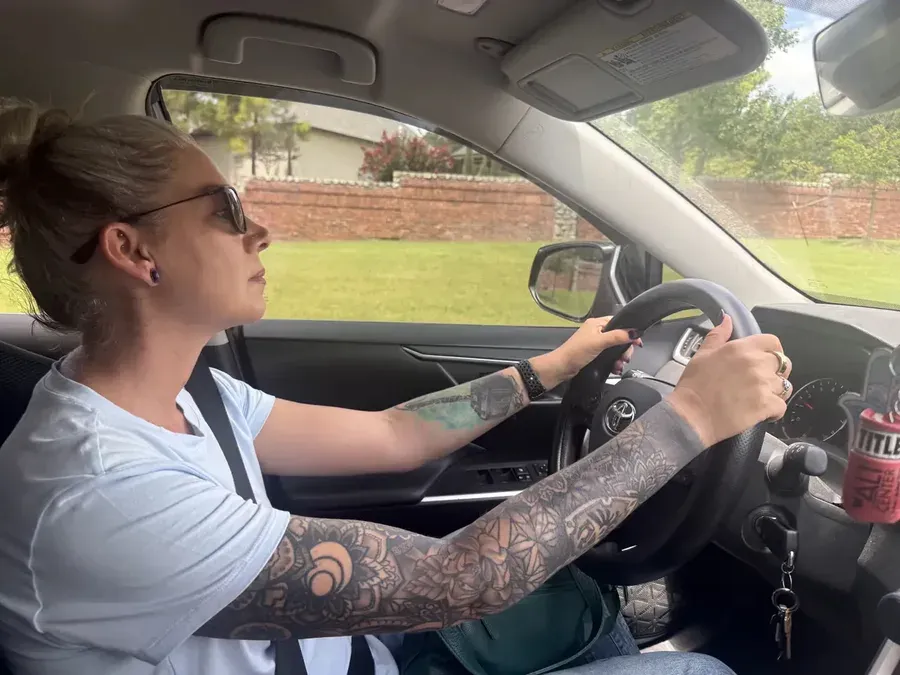
Emily is 42, lives in Tulsa, Oklahoma, and works as a data scientist. "I get paid to be a nerd, which is great." She loves video games, Lord of the Rings, piano, boxing and lifting weights.
Her first panic attack happened on her college campus, and soon she was having 8 to 10 a day. "Honestly, it was still kind of taboo to talk about mental health at that time."
For years she managed it the way most of us do. She avoided bridges and highways, but she could still get around town. She lived alone for 10 years.
Then, about two years before she joined, after years of training way too hard, her panic hit her "like a ton of bricks."
"I could barely be home alone, and I lived alone for 10 years. I couldn't be home alone, I could barely drive down the street."
When her husband traveled for work, she spent the whole day working from her dad's office, just so she wouldn't be alone.
Trying Everything
She had tried several medications, therapy, deep breathing ("which I can't stand"), sour candy tricks, and online support groups. "Which is mostly just people complaining."
She had even tried exposure on her own, forcing herself into big drives. "The whole way, I was like this, and I was hating every second of it, not realizing how to properly respond to any of it."
And her family didn't always understand. "Well, you've been in therapy for this long, or you take medicine, why can't you just do it?"
"I can't just force something when all the alarms go off. The minute I get in the car, my brain is telling me that I am in imminent danger, even though I know I'm not."
The Skeptic
Emily found one of my videos on Facebook or Instagram. "Something about you seemed very genuine... I'm an IT professional, I know how to spot scams."
She booked a call with Johnny from our team. "I was like, this is a real dude."
But she still didn't believe she would recover. She had had anxiety for longer than most of us. And she had felt this way before: when she walked into her first 12-step meeting, she didn't believe she could stay clean and be happy either. In February, she'll have 10 years clean.
"I still didn't really believe that I'd fully recover, because I thought, oh, well, he's only had anxiety for this many years, not as many as me."
I love that she joined anyway. Because you don't need that belief to start. You can be skeptical and still do the work.
Driving Again
Emily came in hot. She started doing drives right away, so many that she wore herself out and had to slow down a bit.
The difference with her old exposure attempts? "I have a community to talk to about it."
"I'm gonna drive down the street to the store. But then when I'm done, I get to go share that win on the community. That was really cool for me."
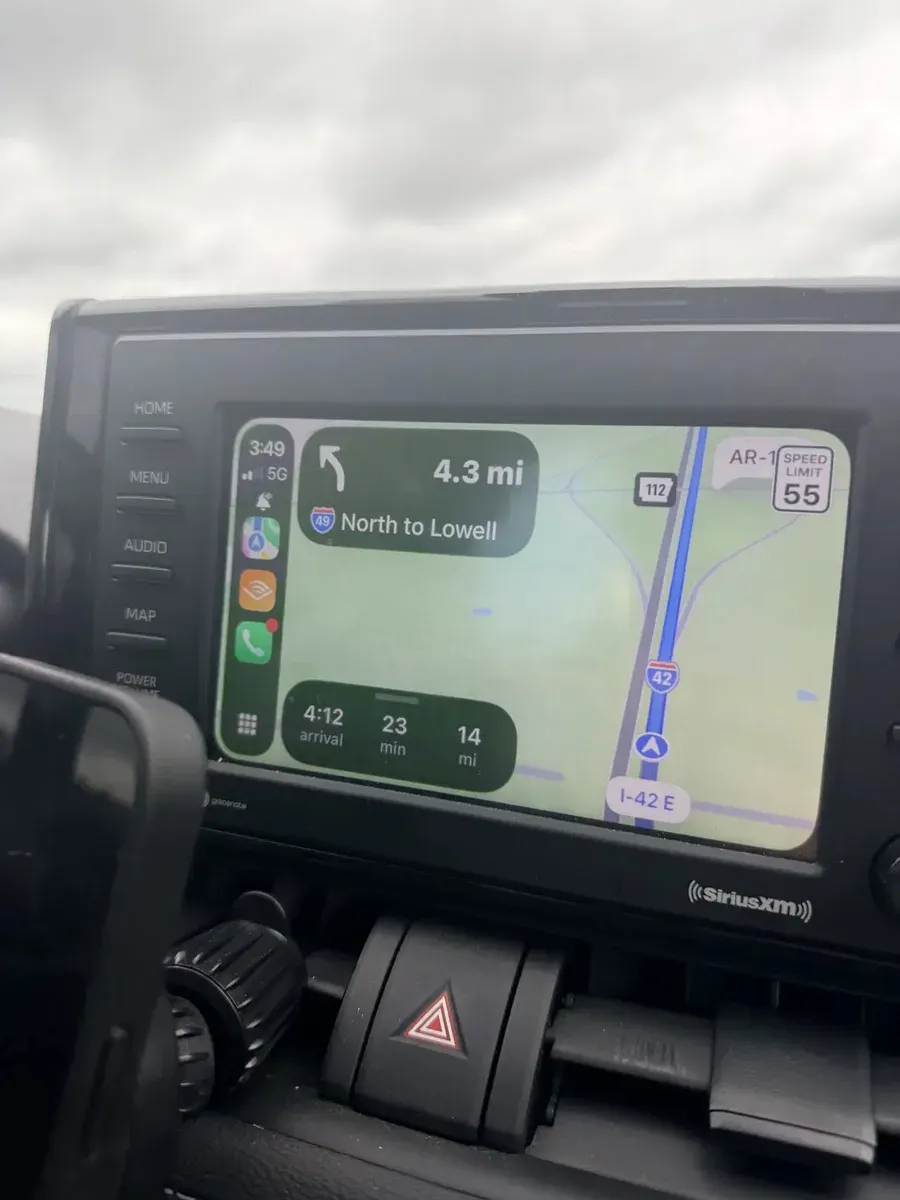
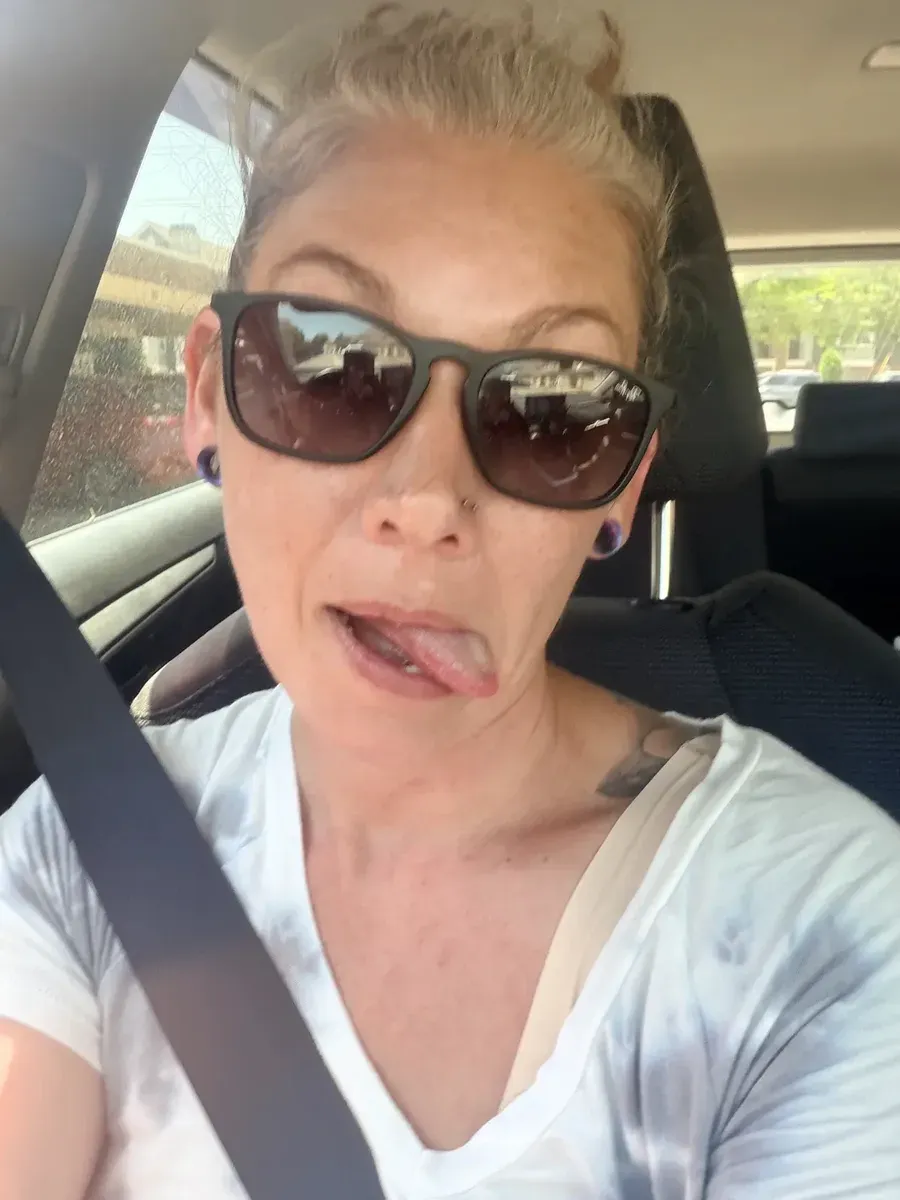
One time, she got a mini panic attack at a stoplight. She could have turned off and pulled into the parking lot. She stayed.
"I was like, I could turn, I could turn off, I could get out of here, but I need to go straight."
She looked around. A car over there, a building, a license plate. "Not in a way to avoid it, just... this isn't important."
"I was only sitting there for, like, 20 seconds, but it feels like a lifetime."
"I Don't Need You"
These days, she talks back.
"Like, hey, I don't need you. You're not helping me... I'm just gonna go get groceries, and if you want to be here with me, that's fine, but I'm not gonna keep acknowledging you."
Getting her nails done every two weeks used to be a whole ordeal. "It was just this whole ordeal to drive a mile down the street, and now I just get in the car and go."
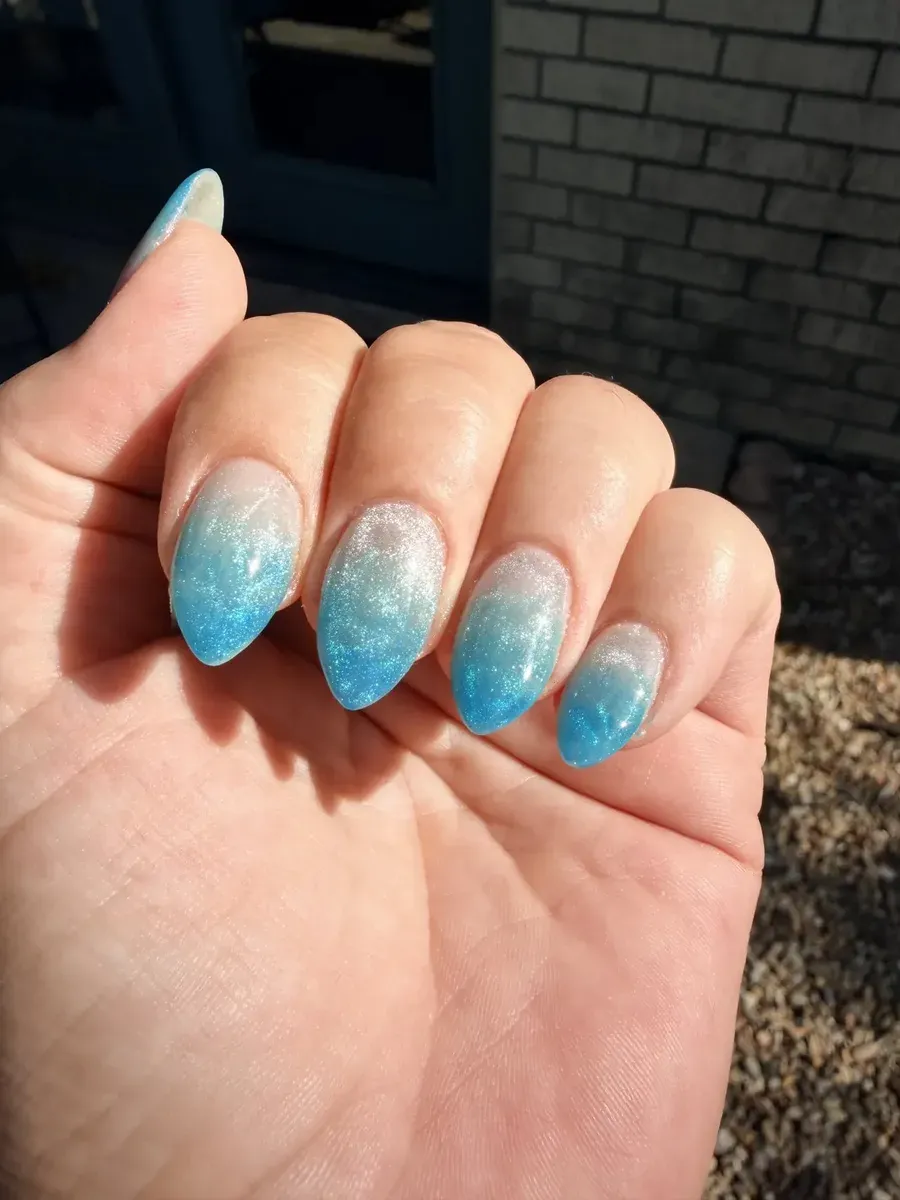
And she stopped seeing a panic attack as a failure. "At the beginning of the program and before the program, I would think that I failed when I had a panic attack. That's just not true."
A few months in, one of her worst panic attacks in a long time hit her about 10 seconds into a drive. Out of nowhere. "I just remember thinking, okay, you know what? We're gonna keep moving forward. We're gonna get to where we're going."
She got there. She sat in the car for a minute, let it settle, and went on with her day.
The Wedding
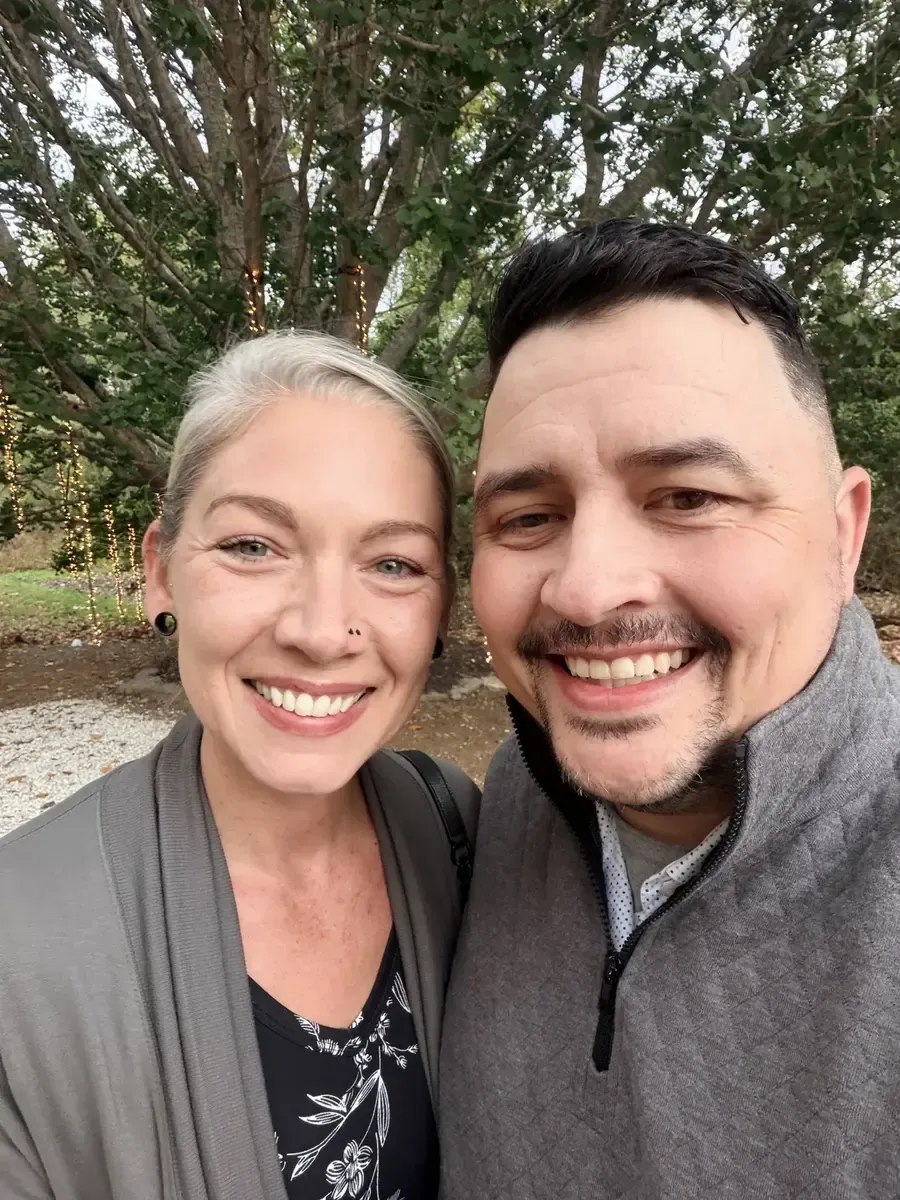
Then a wedding came up, two hours away, with an overnight stay. Her longest trip in two years.
Her mind tried the old trick: you haven't hit this milestone yet, so how could you possibly do this?
"Just go. Like, this is just life. It doesn't matter. If anxiety shows up, you're gonna be fine."
Home Alone, and Enjoying It
Being home alone used to be one of the hardest things. Now it's "almost, like, 90 to 95 to sometimes 100% totally fine."
"Honestly, it's kind of fun sometimes. I'm like, cool, now I can clean the house because there's nobody here. I can watch the TV without headphones on. I can blast music."
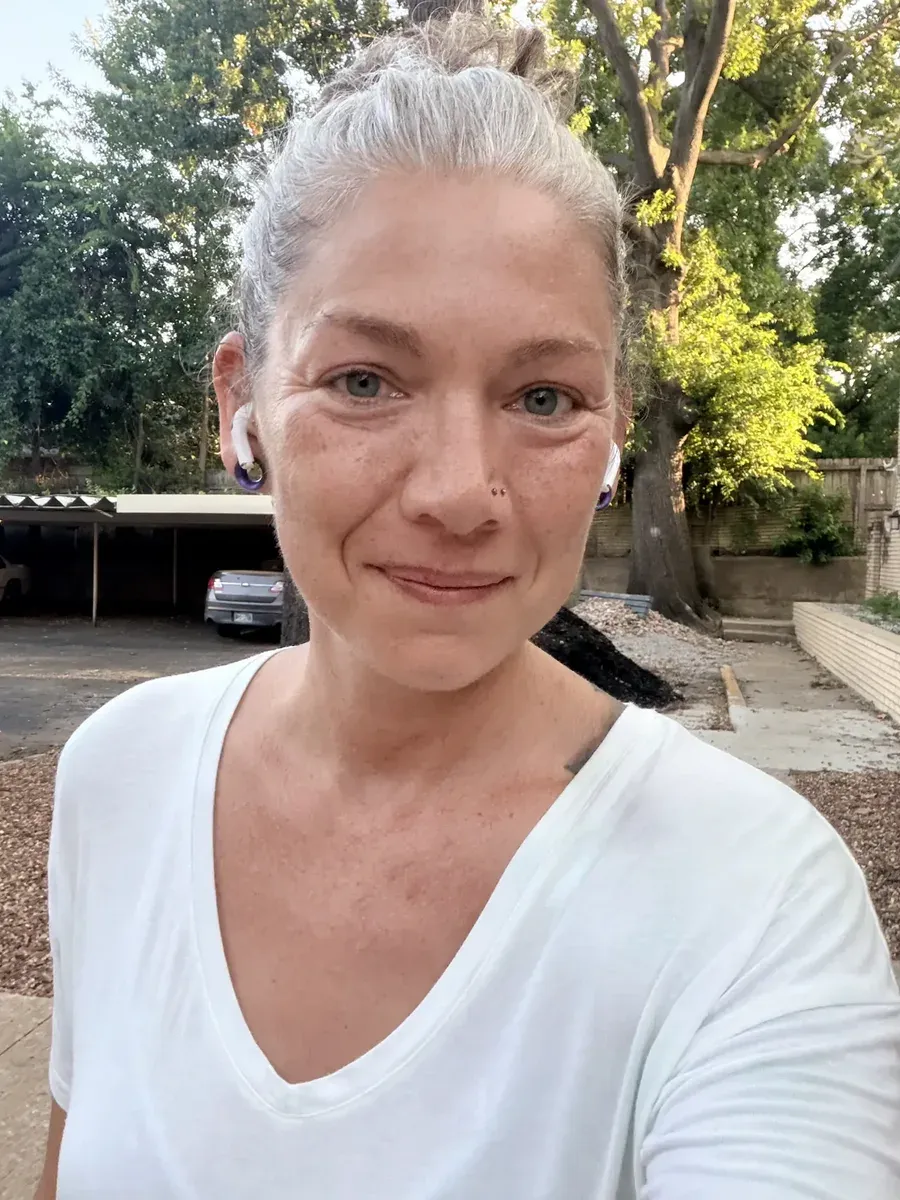
When anxiety does show up, it's not the same anymore. "That's the word I would use to describe how anxiety feels to me now. I'm just more uncomfortable today, or for this hour. And then just move on."
Beyond Anxiety
The same response works on everything else, too. She used to have a short fuse. "I will get angry, I'll get irritated, but I don't explode."
They're also house hunting right now, which is stressful. "At first, it was overwhelming to me. And now I'm like, okay, we didn't get that one. We'll find one. It's not a big deal."
Her ordinary week? Work, a home workout, homework and dinner, yoga, video games. "Pretty boring, honestly. But I like that."
I love that answer. Anxiety is never boring.
What Emily Would Tell You
"I'm just a regular person that found this program through an ad... Those quick fixes, that's not the answer. The thing where you have to put in hard work is the answer."
"Just give it a shot. Give yourself an opportunity... I knew this wouldn't be easy. But I also didn't know it would be this rewarding."
And Emily is honest that she isn't fully done yet. "I feel like I have more to go. But I'm at the spot where I'm living my life. I'm not letting anxiety run the show anymore."
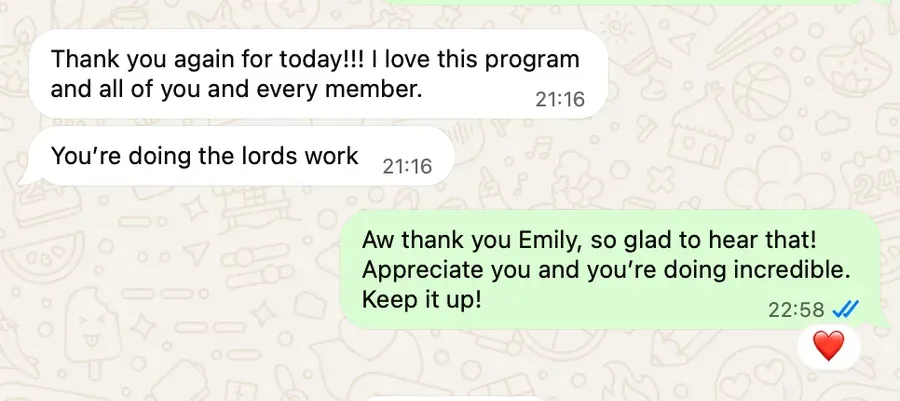
After one of our calls, she sent this:
What You Can Take From Emily's Story
- You don't need to believe it to start. Emily didn't. She found out for herself.
- A panic attack isn't a failure. What counts is what you do next. She kept driving.
- You don't have to do it alone. For Emily, the community was "the most valuable part."
Thank you for sharing your story, Emily. Keep sharing those wins with us!
-Jort
Written from my interview with Emily, recorded in November 2026. Shared with Emily's permission.
Individual stories reflect personal experiences. Results vary. This page is not medical advice and does not replace a doctor or therapist. If you are in crisis, contact your local emergency number.